Addiction Services

Inside UKT Addiction Services

Detoxification from Illegal Drugs and Crisis Intervention for Addiction

Together with therapeutic facilities and our interprofessional team of nurses, social workers, occupational therapists, physical therapists, psychologists, and physicians, we offer a wide range of therapeutic services that are individually tailored to patients’ needs—from active to creative.

47 varieties

With us, you'll learn to distinguish what "sober" means

36.52

is our average age on the ward

4x

On average, a caregiver plays table tennis with patients once a day

An Overview of Our Departments

Our Ward 13 specializes in the treatment and care of patients with substance use disorders. The nursing team’s primary responsibility is to ensure physical detoxification and to address the consequences of long-term, uncontrolled substance use. We perform both full and partial detoxifications and offer—depending on the individual situation—warm, lukewarm, or cold detoxification regimens.

The ward has 17 beds, eight of which are reserved for elective patients who are preparing for subsequent long-term therapy. For this transition, we work closely with various therapeutic facilities.

To maintain patients’ motivation, we maintain weekly telephone contact even before their scheduled admission.

Together with therapy centers and our interprofessional team of social workers, occupational therapists, physical therapists, psychologists, and physicians, we offer a wide range of therapeutic services tailored to each patient’s individual needs—from active to creative.

Our 22-member nursing team brings everything you need here: patience, expertise, empathy, professionalism—and a sense of humor, because without it, nothing works here.
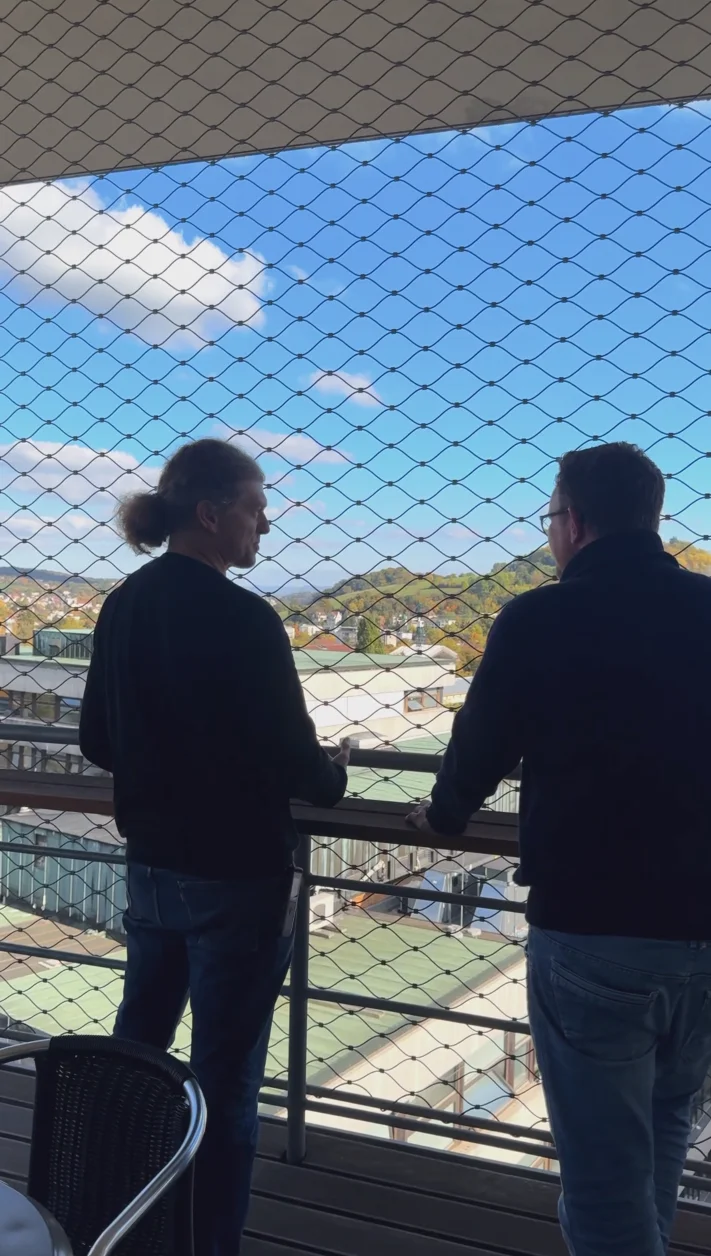
On Ward 23, people with alcohol and medication dependence are treated through a 3-week specialized detoxification and motivational therapy program or a 6-week specialized program (the Tübingen Model), followed by 12 months of outpatient aftercare.

Many patients already suffer from serious internal and neurological complications resulting from alcohol dependence. Nursing tasks are tailored accordingly: monitoring during detoxification, basic care, and treatment-related care. Working with family members often presents a significant challenge.

We care for 17 patients and work as part of a multidisciplinary team in the therapeutic groups, building bridges to a life free of addiction through numerous guided activities.

At the Addiction Day Clinic, we provide care for people with various substance-related and non-substance-related addiction disorders. Our nursing role involves reflecting with patients on the activities and existential experiences of daily life and structuring them in a way that supports abstinence through daily routines and life planning. This includes, in particular, critically examining self-care routines and continually developing new approaches and possibilities.

What sets us apart is our strong commitment to helping destigmatize addiction disorders, and we never blame anyone for their symptoms.

Our 8 treatment slots for the 3-week treatment program are always fully occupied. We ensure that the collaboration between doctors, psychologists, and nursing staff runs smoothly and constructively—and always with a touch of humor.

Content to follow...

Interview with Our Leadership

5 Questions for ...

1. What makes the addiction treatment program at the University Hospital of Tübingen particularly distinctive?

Our department brings together several specialized units: a closed acute care ward for addiction emergencies and for planned detoxification from so-called “hard drugs” prior to long-term therapy; an open ward for detoxification from “soft drugs” such as alcohol and THC; a day clinic, and a home-based care program (STÄB) that supports patients in their home environment. This close integration enables us to provide individualized and continuous support to those affected as they work their way out of addiction.

2. What role does collaboration with external institutions such as Bläsiberg play?

Our partnership with Bläsiberg is a central part of our work. After a “warm detox” lasting about three weeks, our partners there seamlessly take over long-term therapy. This ensures there are no interruptions in the course of treatment—which fosters a sense of security, trust, and genuine opportunities for stability.

Robin, Deputy Director of the Addiction Services Division
3. What is particularly important to you in your day-to-day interactions with patients?

We always treat our patients as equals. Behind every addiction is a person with a story—and we want to open up new perspectives, not just treat symptoms. For us, respect, humor, and honest communication are just as much a part of therapy as medication and structure.

4. How would you describe the attitude of the care team?

Our team is dedicated, highly skilled, and approachable. We see ourselves as companions on the journey, not as supervisors. We’re delighted for everyone who manages to find their way to a life free of addiction—and sometimes the greatest praise comes when we don’t hear from someone again because he or she has succeeded.

5. What personally motivates you about your work in the field of addiction?

I’m motivated by the combination of medical challenges, teamwork, and genuine humanity. No two days are the same—but every day offers the chance to give someone back a little hope. That’s what makes our field so special and fulfilling to me.

Robin, Deputy Director of the Addiction Services Division
1. What do you like most about the Team of 13?

The sense of humor, the work environment, and the fact that the team works together as equals, even across different professions.

2. Which do you prefer? Coffee or tea?

Coffee

3. Which do you prefer: the early shift or the late shift?

Early Shift

4. How long have you been on Ward 13?

For about 3.5 years

5. What do you particularly enjoy about being a clinical instructor?

I enjoy introducing young, motivated people to the field of psychiatry and dispelling misconceptions.

Rohan, Clinical Instructor on Ward 13
1. What do you like most about the Team of 13?

Not only is it great to work with the team, but it's also fun.

2. Which do you prefer? Coffee or tea?

Coffee

3. Which do you prefer: the early shift or the late shift?

Early Shift

4. How long have you been on the 13th?

For the past month

5. Why did you become a nurse?

Because I enjoy interacting with people and want to help them whenever I can

Angelo, Registered Nurse on Ward 13

Join the team!

Get in touch with our representatives or apply through our current job openings!

Learn more

You can find more photos and information about the station on our website.

Our Contacts

Would you like to join our team, or do you have any questions? If so, please feel free to contact us.

Silvia Brand
Silvia Brand Nursing Services Management 07071 29-82323 Silvia.Brand@med.uni-tuebingen.de
Judith Strate
Judith Strate Deputy Director of Nursing 07071 29-84564 Judith.Strate@med.uni-tuebingen.de