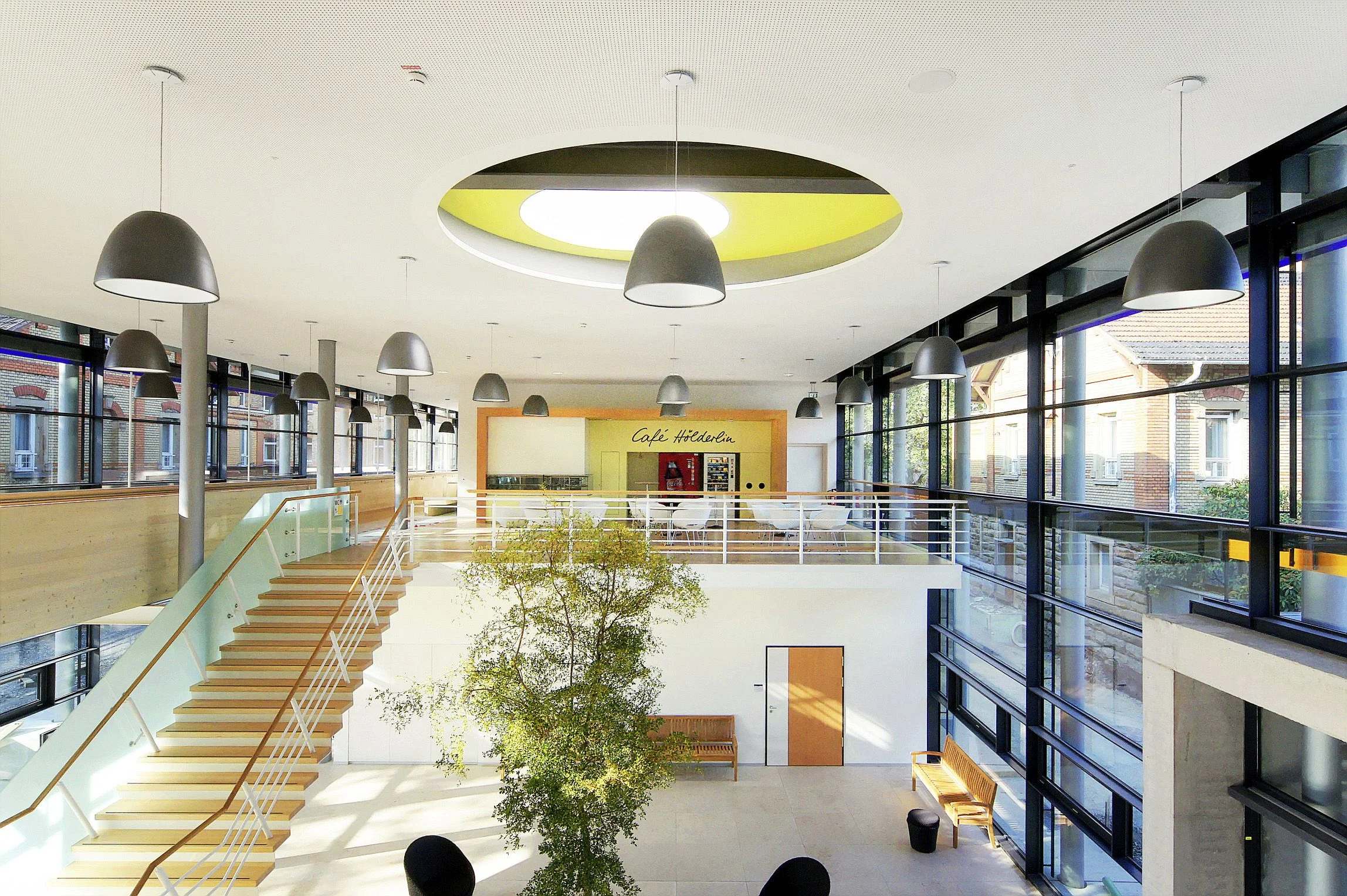
Ward 14 is an open, general psychiatric psychotherapy ward with 17 treatment beds in eight double rooms and one single room offering comfort-level accommodations. It treats patients with various mental health conditions, including mood disorders, anxiety disorders, psychoses, and personality disorders. In addition, there are 2 day-treatment therapy spots available, usually following inpatient treatment on Ward 14.
Our Divisions
Ward 24 has 17 treatment beds in eight double rooms and one single room. As a specialized ward for depressive disorders, it offers a specifically designed treatment program. Treatment is individually tailored to the causes, symptoms, severity, and course of the illness. The goal is to gain perspective on depressive thoughts, rediscover a zest for life, and support patients’ return to daily life, work, and social interactions.
Psychotherapy Unit 25 specializes in the treatment of depressive disorders and obsessive-compulsive disorders. It has 20 beds in eight double rooms and four single rooms. Treatment methods include cognitive behavioral therapy and interpersonal psychotherapy, as well as complementary medication and activity-based treatment options. The treatment of obsessive-compulsive disorder focuses in particular on exposure therapy with response prevention and is based on international guidelines.
The day clinic at the Center for Brain Stimulation has seven treatment stations. The primary focus of treatment is depression. With transcranial magnetic stimulation, the center offers an innovative, well-tolerated, and effective treatment method. Individualized diagnosis and treatment planning ensure safe and targeted treatment based on the latest research.
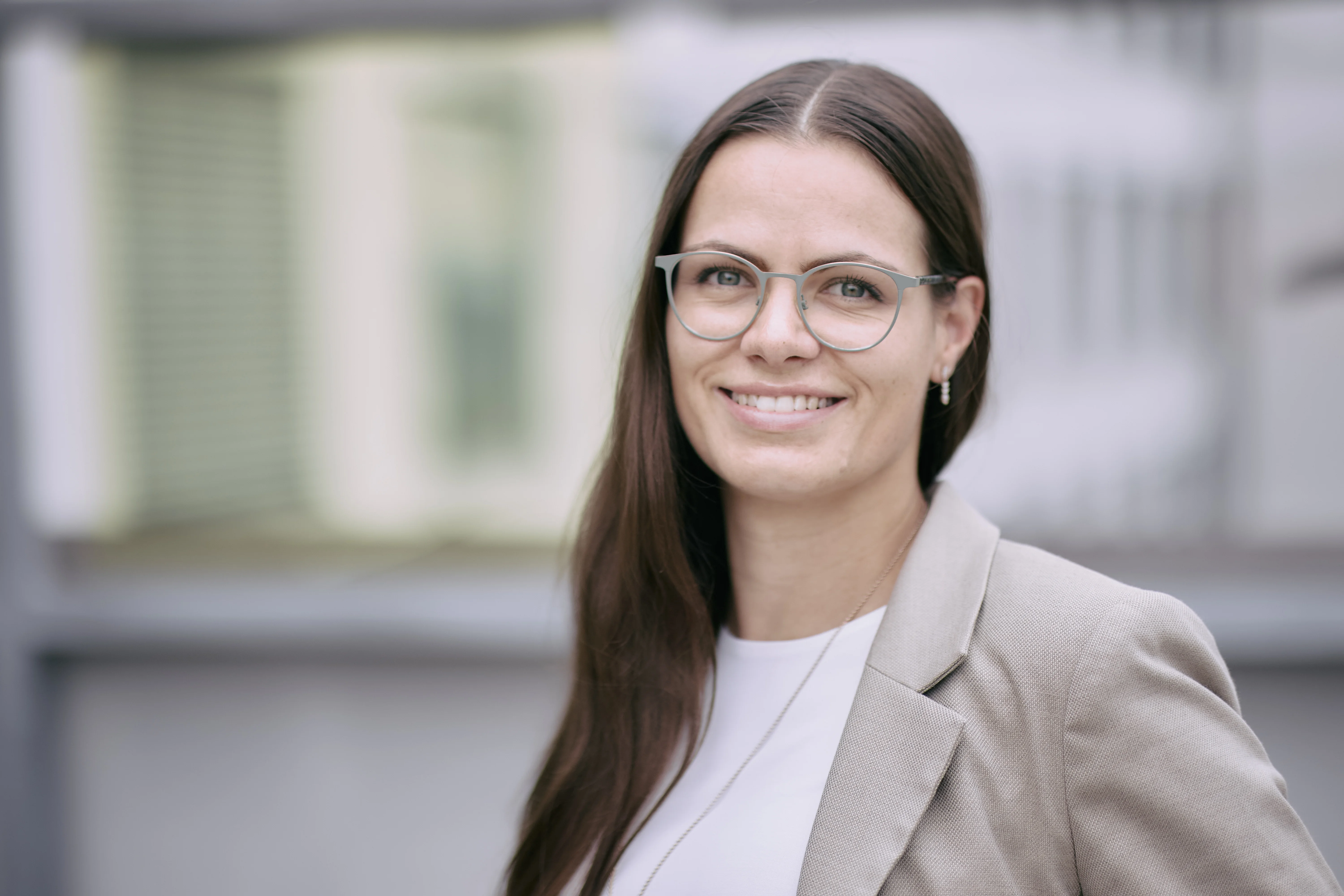
5 Questions for ...
What is your role, and what does your typical workday look like?
As a nurse on our ward, I care for and treat people with mental health conditions, particularly those with depression. It’s important to me to be there for them, to give them strength and support, and to help them develop coping strategies. In addition to providing nursing care, my responsibilities include coordinating admissions and discharges, preparing and carrying out medical orders, and relaying important information to doctors and therapists. In addition, I lead a mindfulness group, incorporate aromatherapy, and supervise specialized treatments such as electroconvulsive therapy (ECT) or ketamine therapies. This creates a holistic framework in which our patients can find support and stability.
What makes your job so interesting?I find this work particularly interesting because every day is different and I get to support people in very diverse life situations. It moves me to witness how patients find new hope despite serious crises. The combination of working closely with people, performing medical tasks, and offering creative therapies makes my job varied and meaningful.
What do you appreciate most about your team?
What I particularly appreciate about my team is our strong sense of unity. We all share the same goal: to provide the best possible care for our patients. We support one another in this endeavor and recognize each individual’s contributions. I find the diversity of personalities and experiences particularly enriching—many of my colleagues have been with us for a long time and bring a wealth of expertise and motivation to the table. At the same time, it’s reassuring to know that we communicate openly with one another and can rely on each other, and that despite all the challenges, we still find time for a little humor.
Is there anything that particularly bothers you about your workplace?Of course, the job also comes with its challenges. Sometimes we wish there were more social recognition for the nursing profession. Especially when many patients have significant needs and require a great deal of care, it’s a challenge to provide each patient with the same level of care. Shift work, especially night shifts, is also physically demanding. Nevertheless, for me, the joy I get from my job outweighs these challenges because I can feel how important our work is to the patients.
Do you feel that you and your team receive sufficient support from division management—and what examples would you cite to support that?Yes, I feel very well supported by our department head. She’s always approachable, listens to our concerns, and quickly finds solutions when problems arise. I especially appreciate that she doesn’t leave us to fend for ourselves, especially when the workload is very heavy—in those cases, she actively steps in to lighten the load; for example, by organizing additional support from a trainee on another ward. She always treats us as equals, remaining friendly, professional, and very relaxed. When it comes to scheduling, she also makes sure to take the team’s preferences into account as much as possible, whether it’s free weekends around vacation time or individual requests. This understanding and her dependable nature go a long way toward making us feel comfortable as a team and enabling us to do our jobs well.
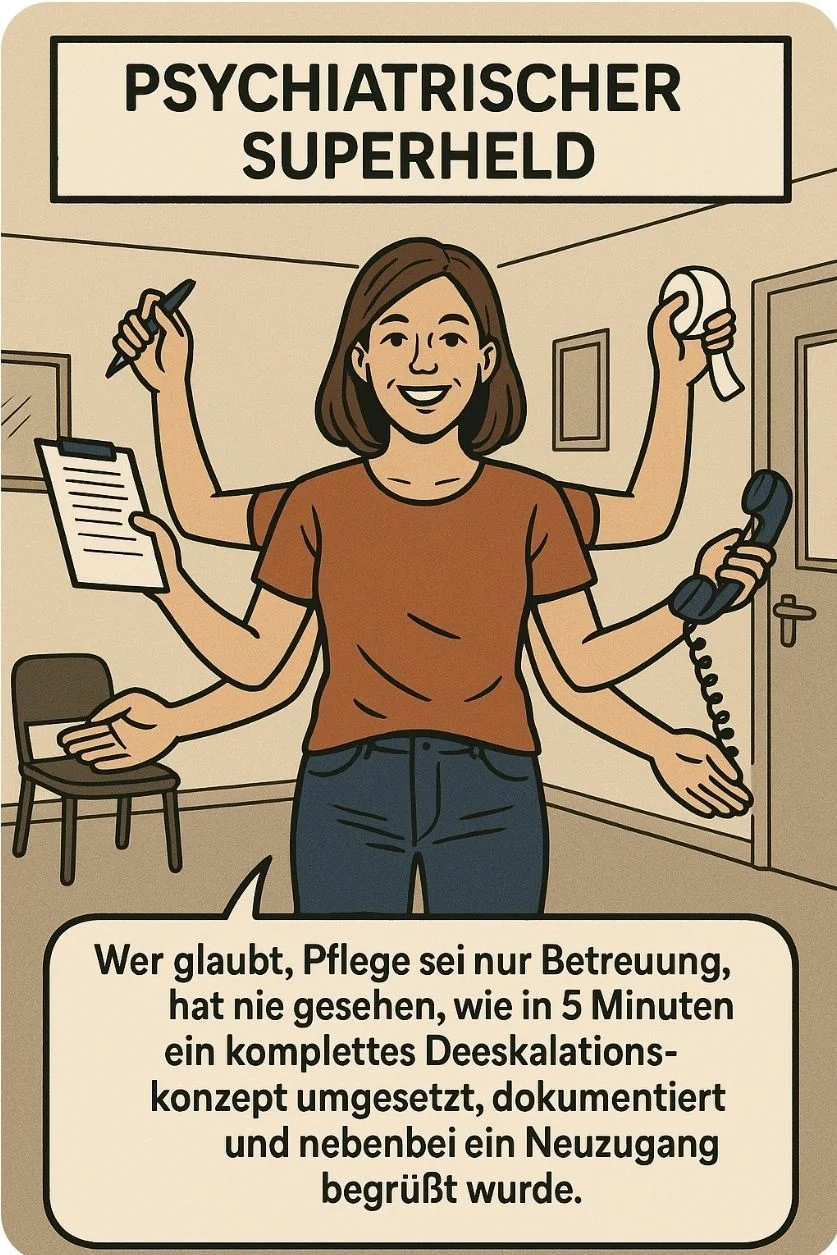 Fun Fact: So fühlen wir uns regelmäßig ;)
Impressions of the Station
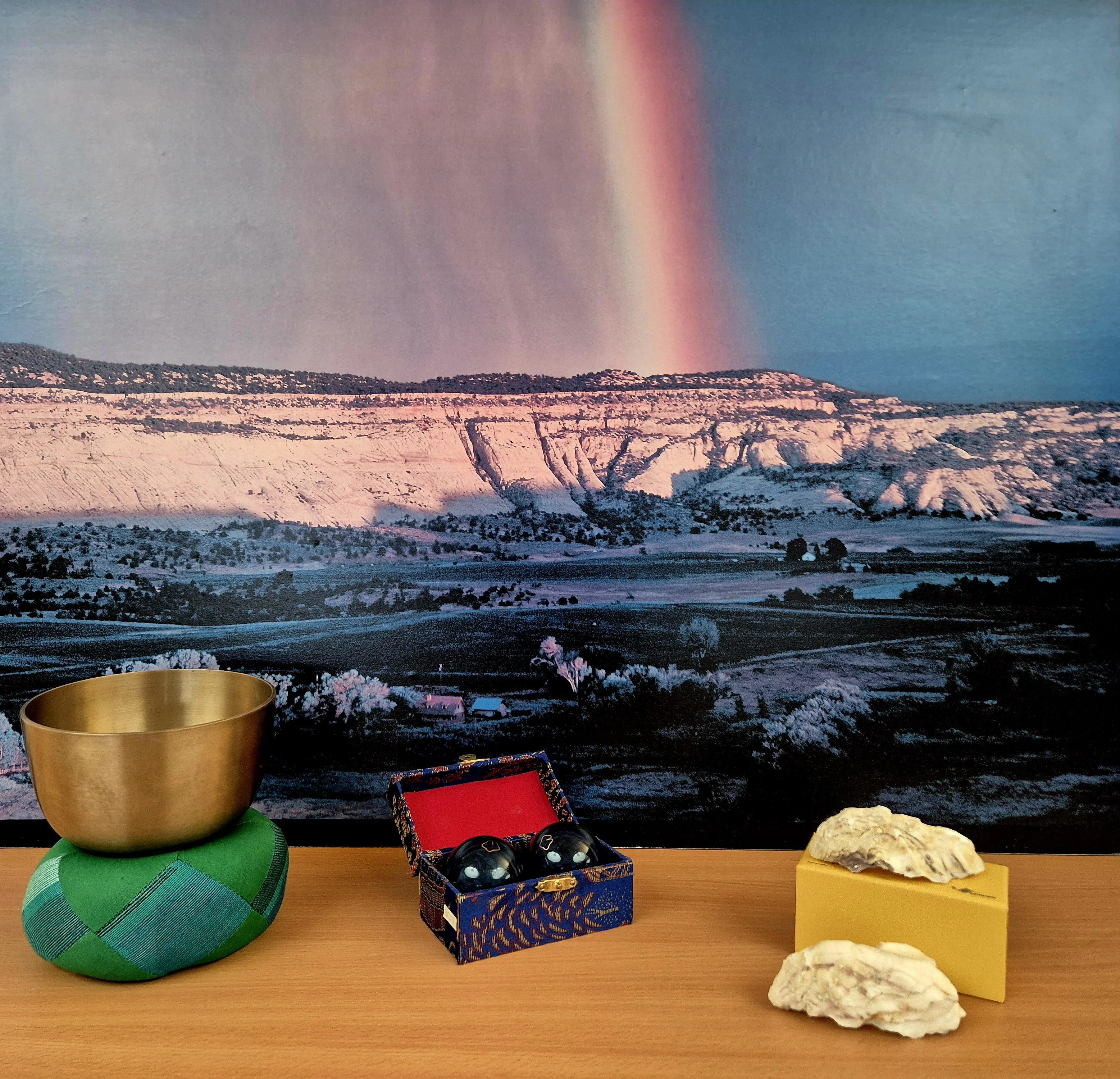
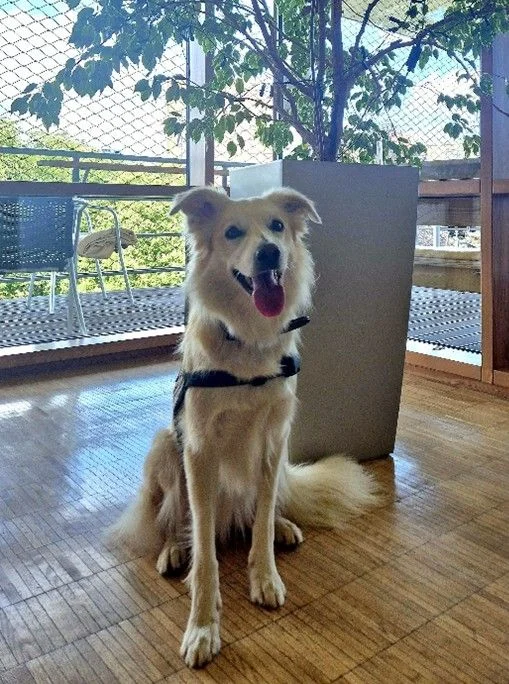
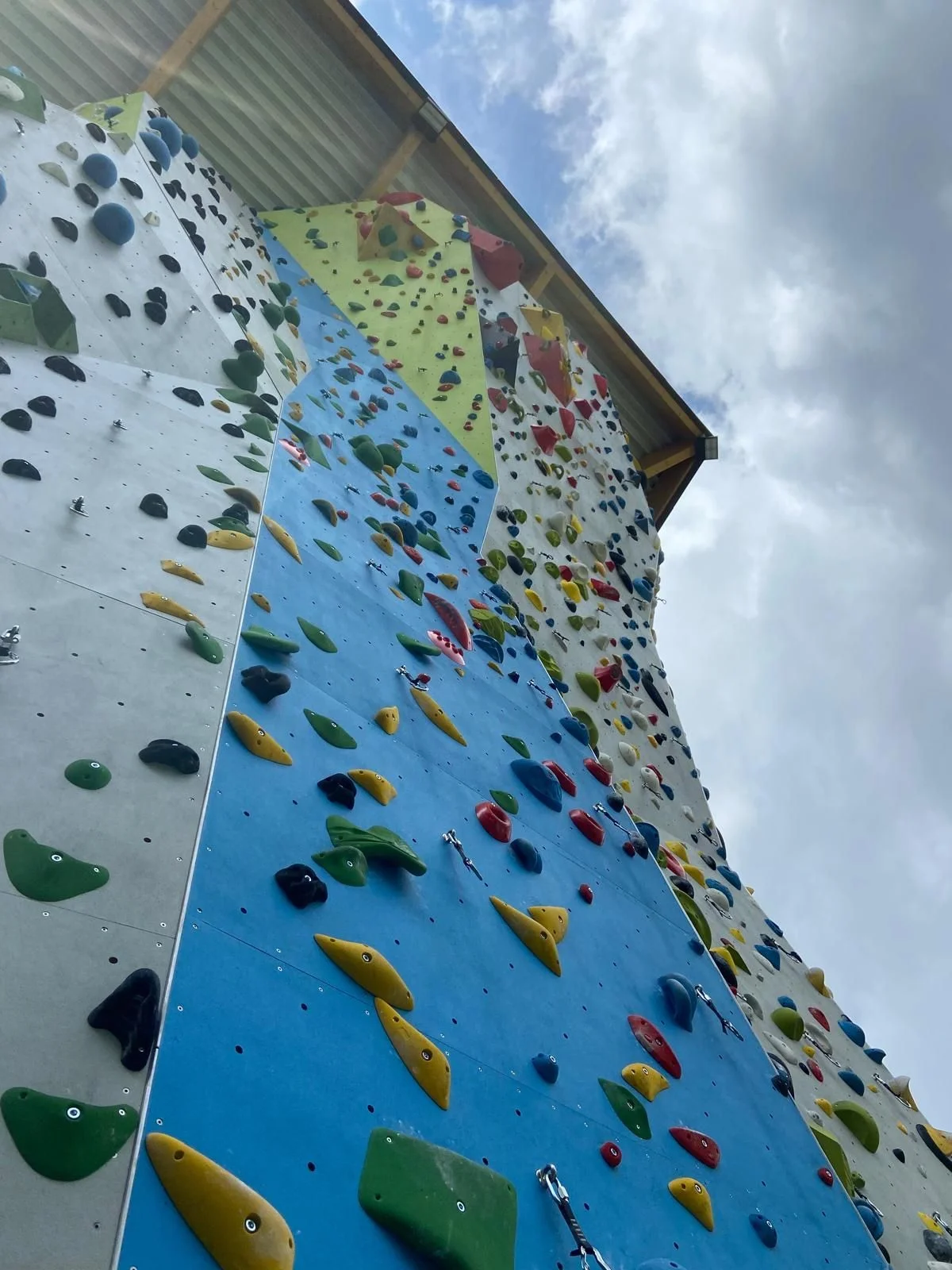
From mindfulness exercises to a climbing wall: We have something for everyone. And our therapy dog, Lucy, provides that extra boost of well-being.

Join the team!
Get in touch with our representatives or apply through our current job openings!
Learn more
You can find more photos and information about the station on our website.
Our Contacts
Would you like to join our team, or do you have any questions? If so, please feel free to contact us.