
40
Beds

75%
have completed advanced professional training

2000
Number of patients per year (approximately)
Our Work
We love action!
What sets us apart?
Team
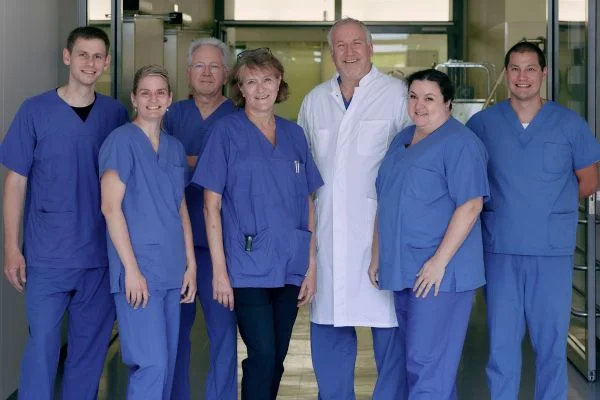
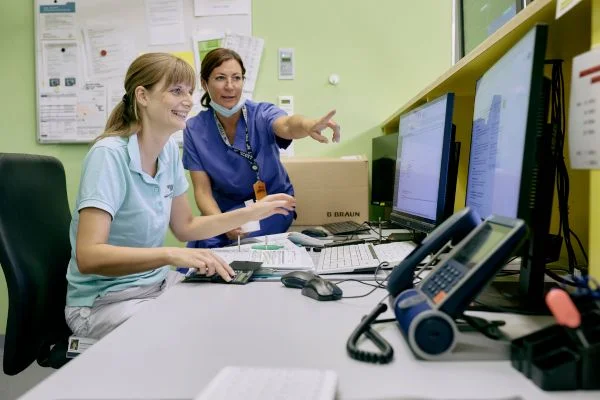
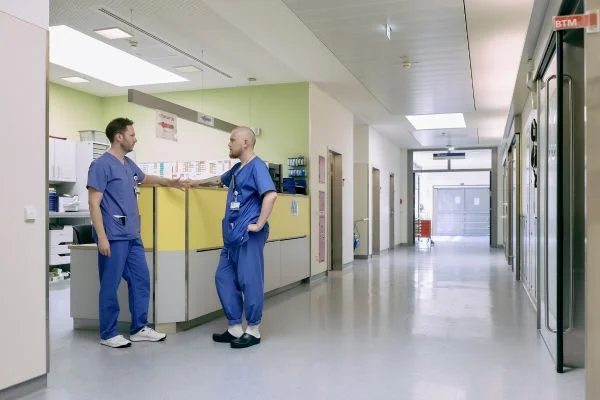
A large, interdisciplinary team, flat hierarchies, and genuine collaboration. Experience meets motivation. We actively encourage you to help shape our work.
Innovation
Research, teaching, and patient care go hand in hand. Research studies are part of our daily routine, and new work structures are developed and tested collaboratively.
Facilities
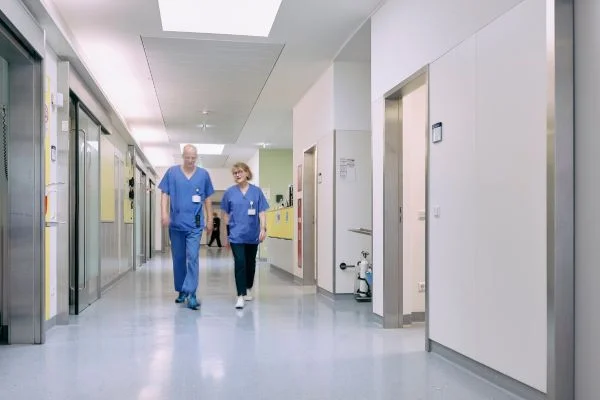
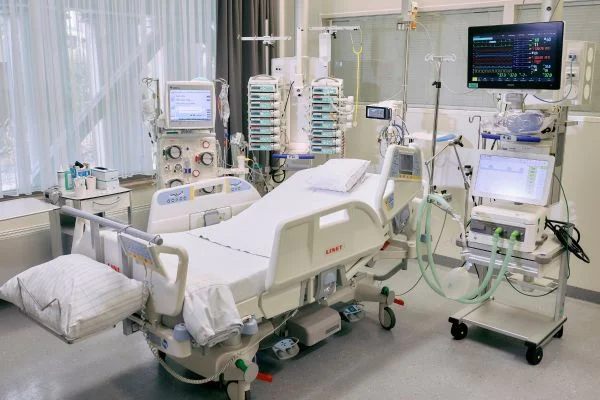
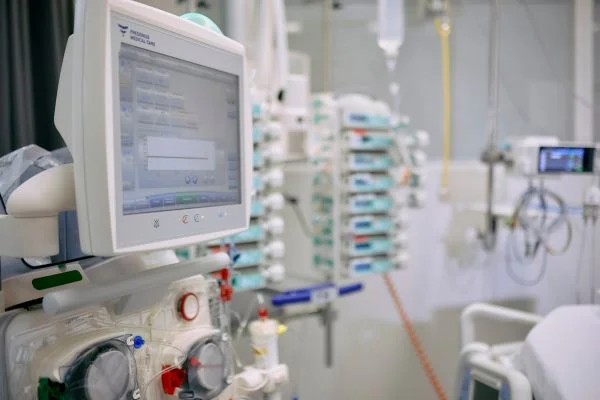
Modern, standardized rooms—functional, well-organized, and equipped with state-of-the-art technology.
Specialization
ARDS, weaning, and cardiac center offering all standard extracorporeal procedures.
Training & Development
Regular resuscitation and simulation training, workshops, journal clubs, and certified courses (including ECMO). Structured training and mentoring programs for nurses and physicians.
Organization
Flexible, family-friendly scheduling, reliable absence management, and staffing based on the INPULS® model.
Collaboration
Monthly ward meetings, newsletters, and an interprofessional network.
Training & Development
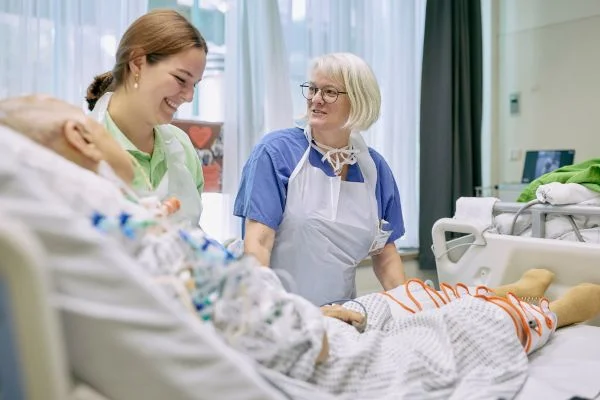
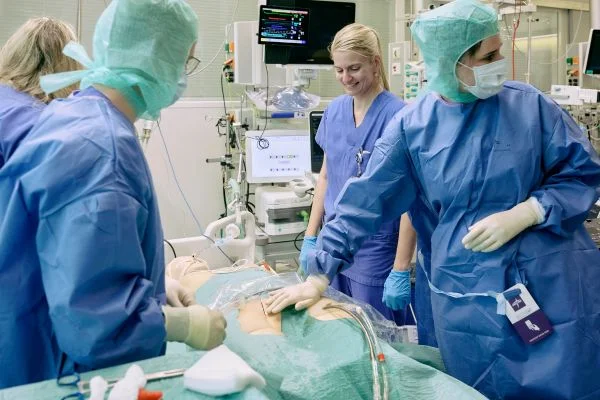
Monthly ALS and ventilation training sessions, interprofessional simulations, and a fixed continuing education plan are standard practice for us. In our dedicated training room, we practice realistic critical care scenarios—together, in a hands-on manner, and as equals.
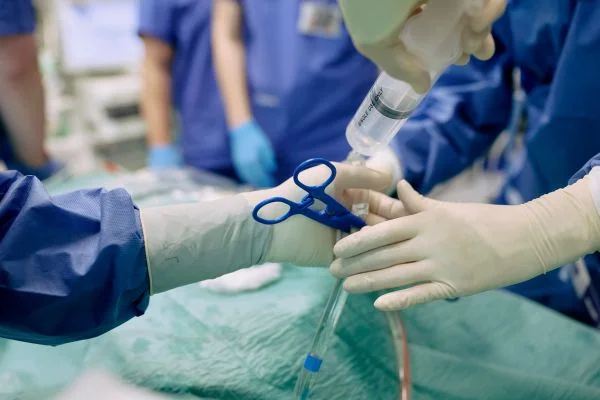
As an ECMO center, we offer a structured, DGAI-certified training and continuing education program that includes simulation-based training. Clinical instructors provide reliable, day-to-day guidance to trainees, new employees, and those in continuing education.
3 Questions for …
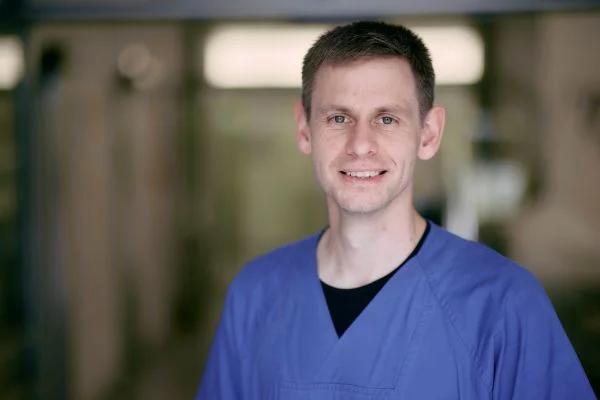
Day-to-day work in the intensive care unit is characterized by a high level of responsibility, complex medical conditions, and often very dynamic situations. One of the biggest challenges is to react quickly and appropriately at all times, especially when a patient’s condition unexpectedly deteriorates. In addition, close collaboration within a multidisciplinary team requires clear communication, even in stressful moments. Despite these challenges, I am motivated every day by the opportunity to make a real difference—often at very critical moments in the lives of patients and their families. Professional development, the diversity of clinical conditions, and working at a high level of intensive care also give me energy and a sense of joy in my profession. I find it particularly motivating to work together as a team to overcome difficult situations and to see patients make progress in the process.
Intensive care requires a combination of professional expertise and personal qualities. A structured, proactive approach to work and the ability to set priorities quickly and reliably are particularly important. The ability to act with focus—even under pressure—is crucial, as are strong communication skills to work cohesively and confidently as part of a team. A high degree of responsibility, keen observation skills, and clinical reasoning are also essential. In addition, empathy and emotional stability are important, as you often support patients and their families in very stressful situations. And last but not least, a willingness to engage in ongoing professional development plays a major role, since medical procedures and techniques are constantly evolving.
3. How do you handle emotionally stressful situations or critical emergencies?In critical situations, it’s essential for me to stay calm and rely on structured procedures. I follow established standards, try to set clear priorities, and communicate openly with my team—this helps me remain capable and confident, even in emergencies. Emotional stress is part and parcel of working in the intensive care unit. I consciously reflect on such situations, talk with colleagues on the team, and use these conversations to process them. Over the course of my career, I’ve learned to maintain emotional distance without losing touch with the emotional side of things. This protects me in the long run and allows me to be there reliably, even in difficult moments.
5 Questions for …
The most important learning objectives for new employees in the intensive care unit are to develop a culture of open questioning from the very beginning and to actively clarify uncertainties by asking questions. Equally important is the ability to allocate tasks effectively, adapt them to the situation, and delegate when necessary. Teamwork plays a crucial role in this, as successful patient care is only possible within a well-coordinated interprofessional team. Closely linked to this is strong communication skills, enabling information to be conveyed clearly, purposefully, and respectfully. In addition, new employees should learn to independently identify necessary actions and measures and actively initiate them. Complementing this is the ability to make confident decisions, enabling them to make the right choices promptly and responsibly in critical situations.
Learning by doing! On training days, we work together to tackle challenges. In our day-to-day work, experienced colleagues are always available to answer questions, help with problems, and assist in emergencies.
3. In your opinion, what qualities make for a good clinical instructor in the intensive care unit?Patience, a friendly disposition, strong communication skills, the ability to work well with others, a passion for learning, and professional experience. Basically, a “jack-of-all-trades.”
4. How do you support employees who have little experience in intensive care?We offer topic-specific continuing education sessions. We regularly provide on-the-job coaching. Through continuing education and simulator training, we strive to prepare new employees for the daily challenges of an intensive care unit.
5. What mistakes or pitfalls do you often see new team members make—and how can they be avoided?One of the major hurdles is when a new employee has unrealistically high expectations of themselves. This often leads to stress and frustration. However, learning is most effective in a relaxed and friendly atmosphere. Everything takes time.
Join the team!
Get in touch with our representatives or apply for one of our current job openings!
Learn more
You can find more photos and information about the station on our website.
Our Contacts