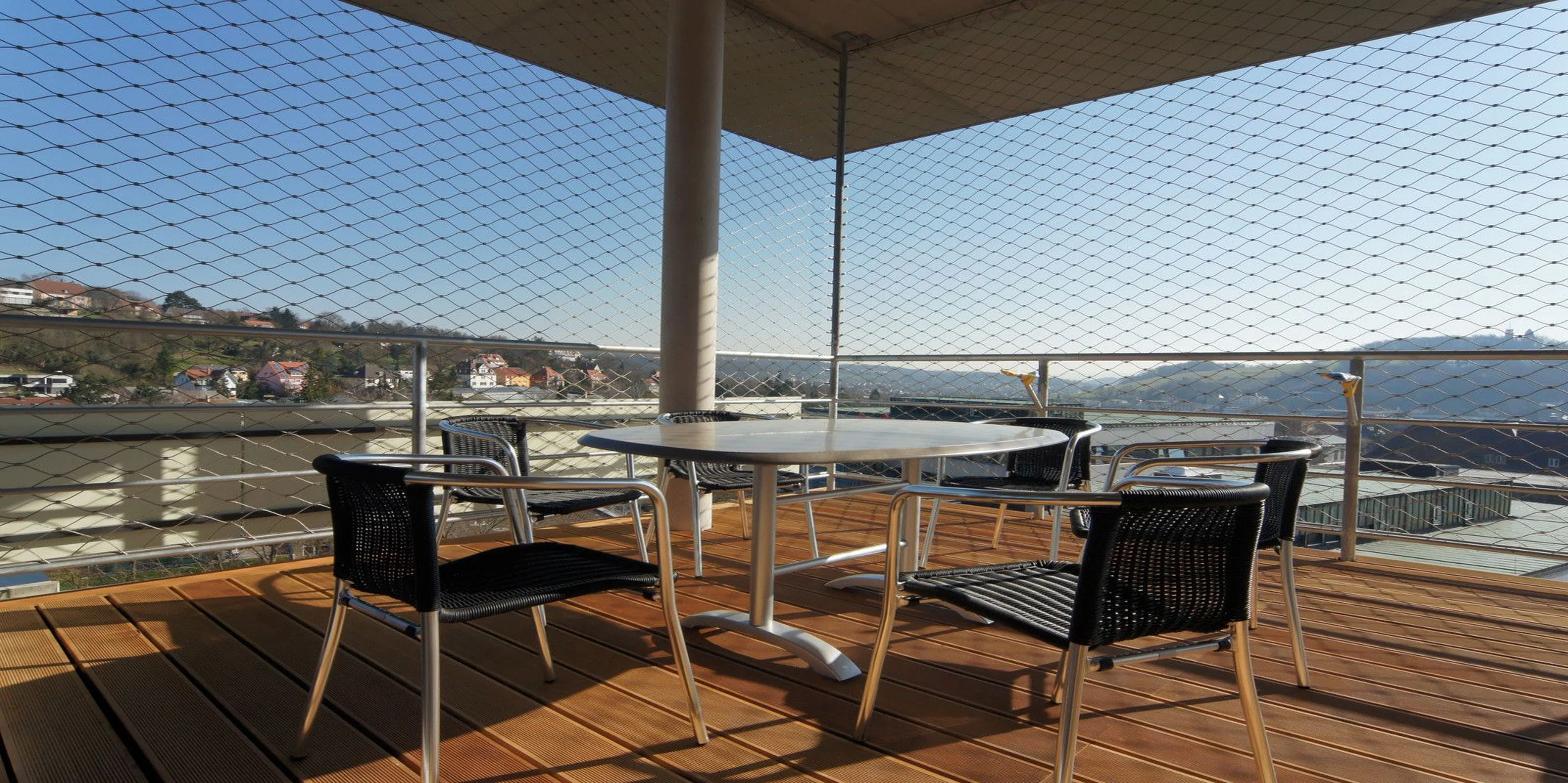
Ward 12 is a general psychiatric ward—which can be secured as needed—with 17 beds for patients who are acutely at risk or in need of significant support. Crisis interventions from other wards are also possible. Daily routines are supported by the Safewards program for violence prevention.

12 nationalities
into 3 teams

3 kilograms of coffee
per month for the team

10,000 steps
per shift
An Overview of Our Departments
Ward 22 also offers 17 beds as well as specialized therapy units, including those for borderline personality disorder and post-traumatic stress disorder, and beds for short-term crisis stays.
The Wildermuth Day Clinic complements these services by offering 20 spots for young adults who can live in their familiar surroundings outside of therapy hours.
Fun Facts About Cooking and Baking with Our Patients
1. Baking is like group therapy mindfulness training—only sweeter.
Stirring, measuring, waiting—it’s almost like meditation… with the scent of vanilla.
2. People who lick the batter laugh more often.
Studies show: Snacking from the bowl strengthens the sense of community. (Okay, not officially—but it’s something we’ve noticed!)
3. Making your own pizza = a sense of self-efficacy with a cheesy crust.
Some patients don’t say much—but the pride they take in their own pizza says it all.
4. Chopping bell peppers can be more relaxing than skills training.
“I spent ten minutes chopping vegetables today.”—it sounds trivial, but it’s often a huge step.
5. The kitchen is often where the most honest conversations take place.
No pressure, no focus—just peeling potatoes and talking. Worth its weight in gold, therapeutically speaking.
6. Chocolate cake builds bonds better than many group exercises.
Shared baked goods = double the connection.
7. Multicultural cuisine on the ward?
Falafel, nasi goreng, Russian salad—everyone brings something from their own world. Integration through flavor!
8. Cooking engages all the senses—and the brain loves it.
Smelling, tasting, feeling, hearing (the pan sizzles!)—that’s mindfulness in action without a meditation cushion.
9. Planning, shopping, creating structure, keeping track of finances, and budgeting.
Laying the groundwork for self-sufficiency and independent living.
10. Doing the dishes is part of it—and it’s therapeutic, too.
Tidying up, taking responsibility, experiencing a sense of accomplishment on a small scale—it sounds like everyday life, but it’s therapy.
3 Questions for ...
If you were a ward—which one would you be?
Multipurpose room.
What advice would you give to people just starting their careers?Stay open to patients, but also to your own personal growth. Psychiatry will change you.
How would you describe the work on our ward in three words?Wild, surprising, touching.
The ultimate anti-stress tip between two crisis meetings? The “shaking dog” exercise.
Comments from the Team
Zlatan:
What skill from your personal life helps you the most at work?
Through martial arts, I’ve learned to stay calm and focused—even in challenging situations. This inner strength and discipline help me tremendously in my day-to-day work in psychiatry.
Özgür:
How do you stay grounded when you’re under a lot of pressure?
When things get stressful, I take a moment to breathe, listen to my gut, and ask myself: What’s good for me right now? Sometimes a cup of coffee, a (cigarette), a deep breath, or a genuine smile is enough to keep me grounded.
Marilena:
What does a good workday look like for you?
If the patients are satisfied, so am I.
Milena:
What superpower would you like to have in your day-to-day work on the ward?
I’d like to be invisible and be able to read minds—both with the push of a button to turn them on and off.
Mischa:
What helps you stay professional in difficult situations?
My mindset—every person who comes here as a patient needs support and is going through a difficult time in their life.
Melissa:
What are your hopes for the future of psychiatric nursing?
I hope that psychiatric nursing won’t have to step in only when things have already gone wrong, but will be systematically equipped to prevent those problems from arising in the first place.
I hope that the relationship between patients and nursing staff is not viewed as an “add-on,” but as a central pillar of psychiatric treatment.
Join the team!
Get in touch with our representatives or apply through our current job openings!
Learn more
You can find more photos and information about the station on our website
Our Contacts
Would you like to join our team, or do you have any questions? If so, please feel free to contact us.