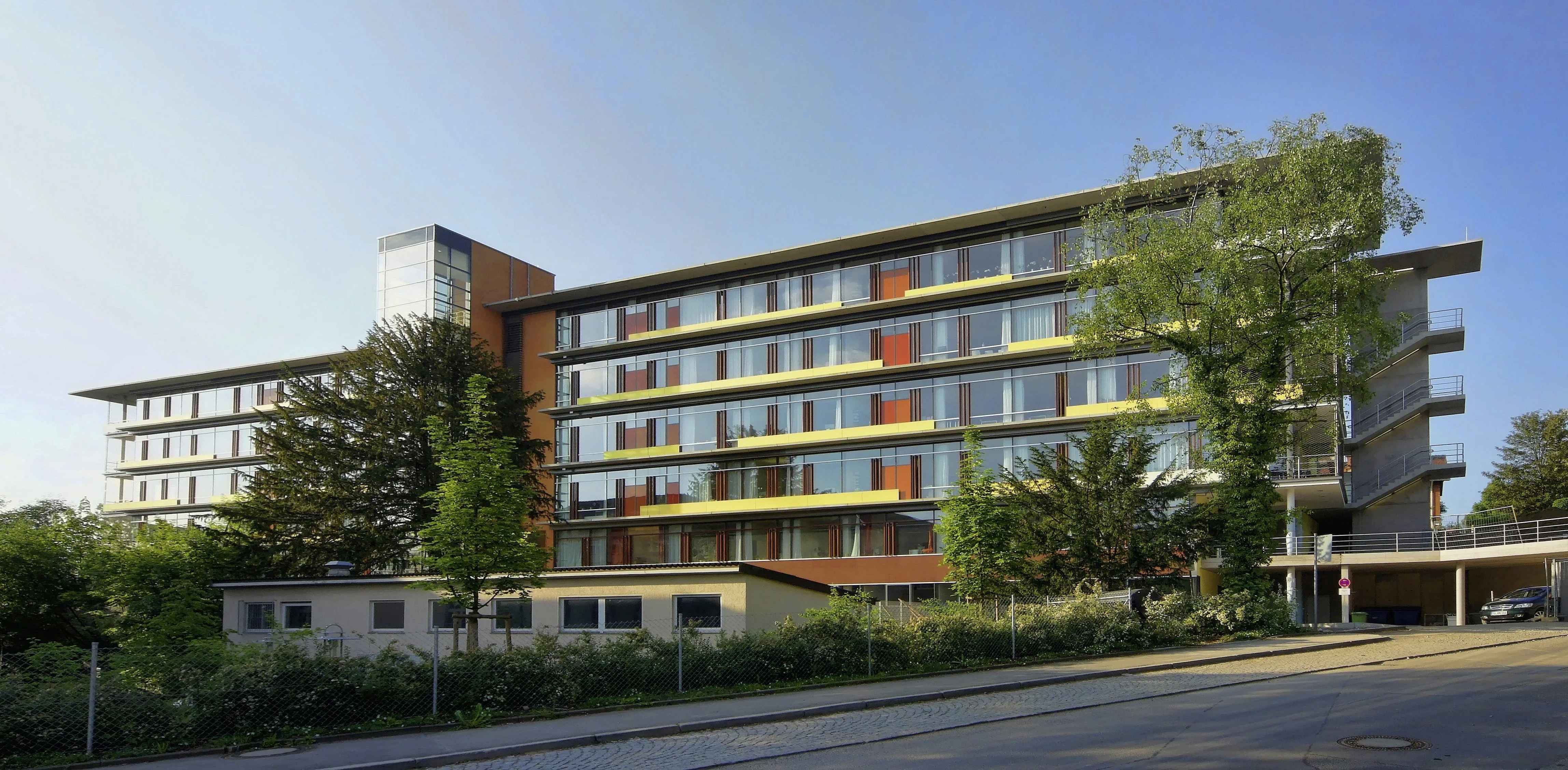
Ward 10 operates under a protective care model. Patients are admitted when intensive medical and nursing care is required. Patients receive round-the-clock care. Conditions treated include depression, dementia with behavioral disturbances, anxiety disorders, psychoses, delirium, substance use disorders, and crisis situations in older adults.
Our Divisions
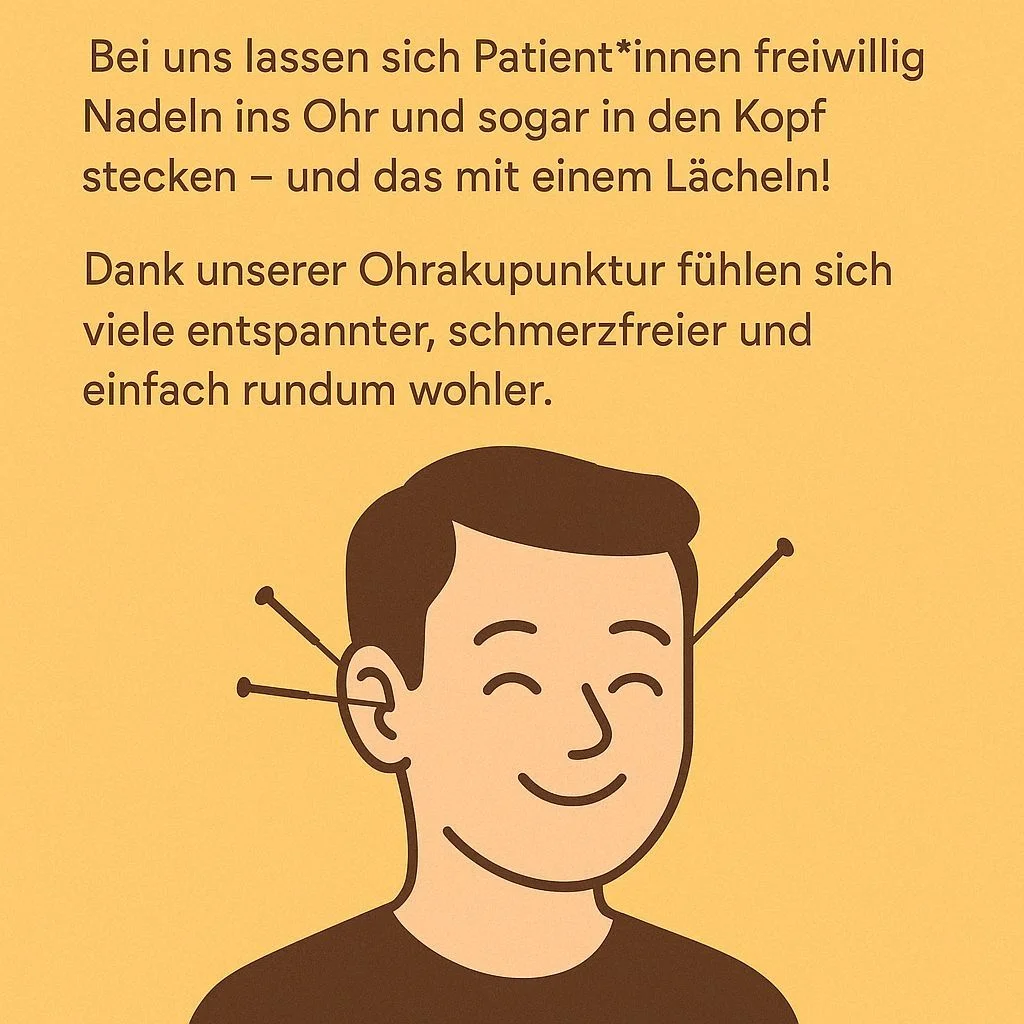
The Day Clinic for Older Adults provides patients aged 50 and older with comprehensive therapeutic care during the day, and they return to their familiar surroundings in the afternoon. This form of treatment is suitable for people who need intensive therapy but do not require round-the-clock hospital care. The particular challenge here is the diverse patient population. Some patients are returning to their jobs, while others are working on their care classification. The day clinic offers a wide range of therapy groups, such as a depression group, mindfulness, ear acupuncture, behavioral activation, exercise therapy, occupational therapy, and many others.
Inpatient-equivalent care allows for psychiatric hospital treatment in the patient’s familiar home environment. A multidisciplinary team of doctors, nurses, and therapists visits patients regularly at home. Stäb is an alternative to inpatient admission and offers the advantage that treatment can take place in a familiar setting.

Day Clinic for Older Adults
A semi-residential facility for older adults (ages 50 and up) who suffer from emotional distress, depression, or dementia but still wish to remain actively engaged in life.

A Place of Stability, Connection, and Dignity
Because we combine medical and therapeutic expertise with a personal touch, structure, and a zest for life.

20 therapy slots
For semi-inpatient treatment of depression, psychotic disorders, memory disorders, anxiety disorders, conflict situations, alcohol and medication addiction, and chronic pain accompanied by depression.
Geronto StäB I: A Day on the Job
At Geronto StäB, older patients are treated by a mobile treatment team in their home environment. These patients require clinical treatment due to a severe mental illness. This form of treatment is also suitable for patients who refuse inpatient treatment or whose condition has worsened while in a clinical setting. Conditions treated within the Geronto StäB program include, for example, depression, dementia with behavioral disturbances, psychoses, and delusional disorders.Our multidisciplinary team—comprising medical staff, registered nurses, occupational therapists, physical therapists, and social workers—starts the day in the office. There, we call the patients or their family members to inquire about their current well-being.After a handoff, we head out to appointments at patients’ homes or their current place of residence, such as a nursing home or a shared care living arrangement.
Through daily interactions in the familiar and comfortable home environment, it is possible to identify and treat illness-related symptoms and limitations without the cognitive decline that often results from a change in environment. Existing resources at home are identified, and family members or caregivers at the nursing home are involved in the treatment.
Individual therapy plans are developed weekly for patients, based on their capabilities and abilities.
There is a weekly medical round; medications are adjusted and optimized, and geriatric psychiatric assessments—such as the Mini-Mental State Examination—are conducted. Sometimes it is also necessary to accompany patients to other hospitals for examinations.
Occupational therapy and physical therapy promote independence and self-efficacy. Memory and concentration training sessions are held, and biographical work, daily living skills training, and creative activities are conducted.
Social Services advises and supports patients and their families on questions regarding ongoing care and the determination of their care level.After visiting the patients, we return to our office in the psychiatry department to document our findings, adjust medication as needed, and plan further treatment.
Our Fun Facts
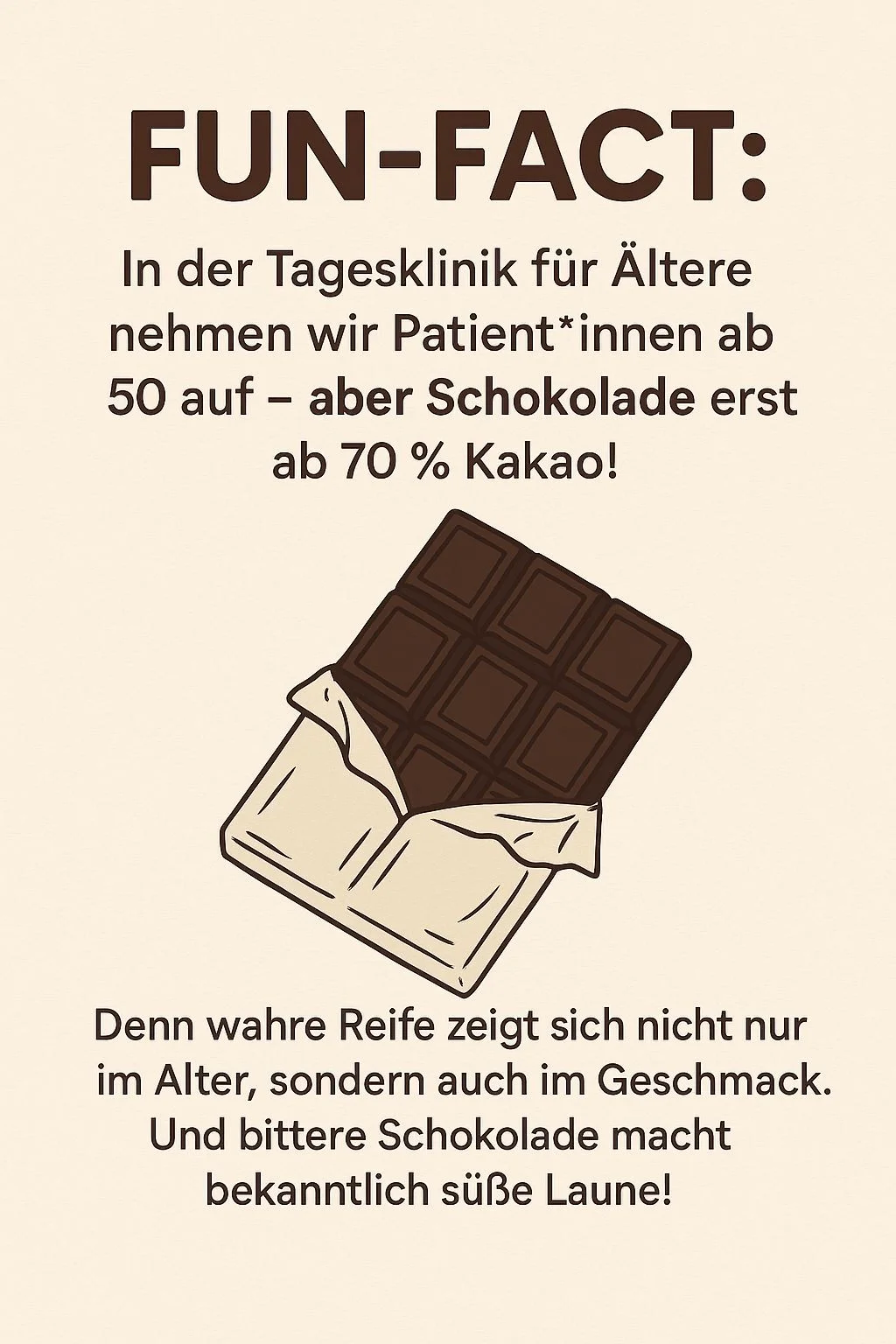
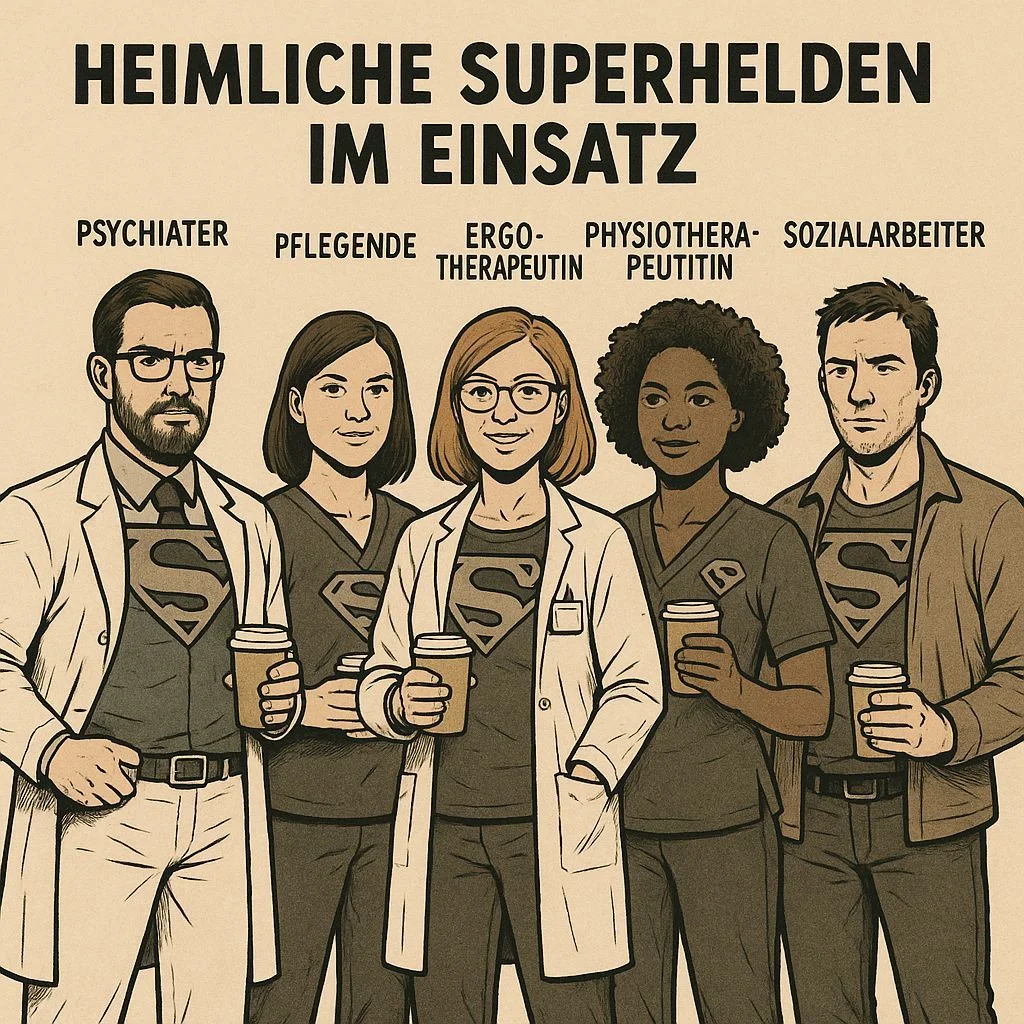
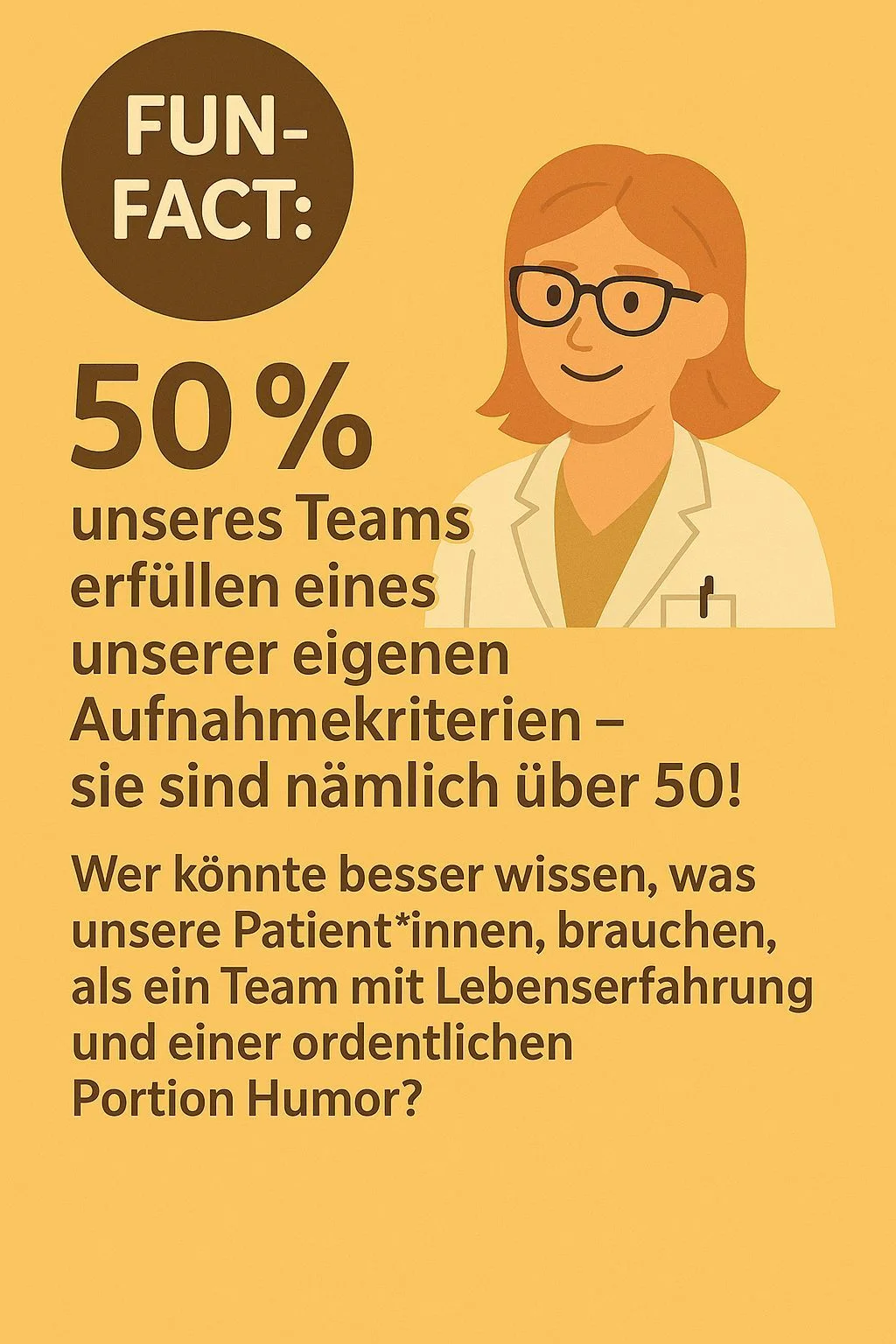
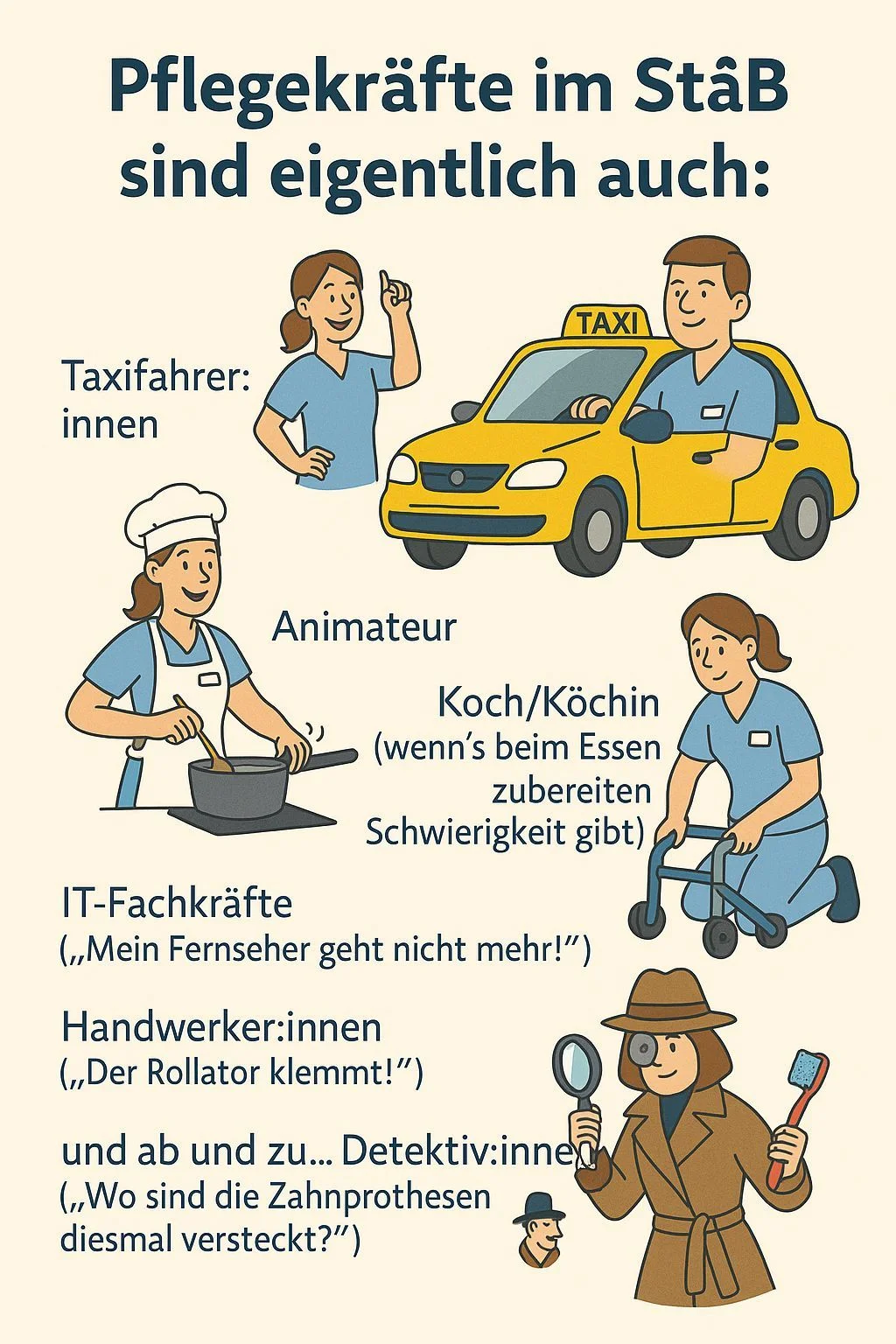
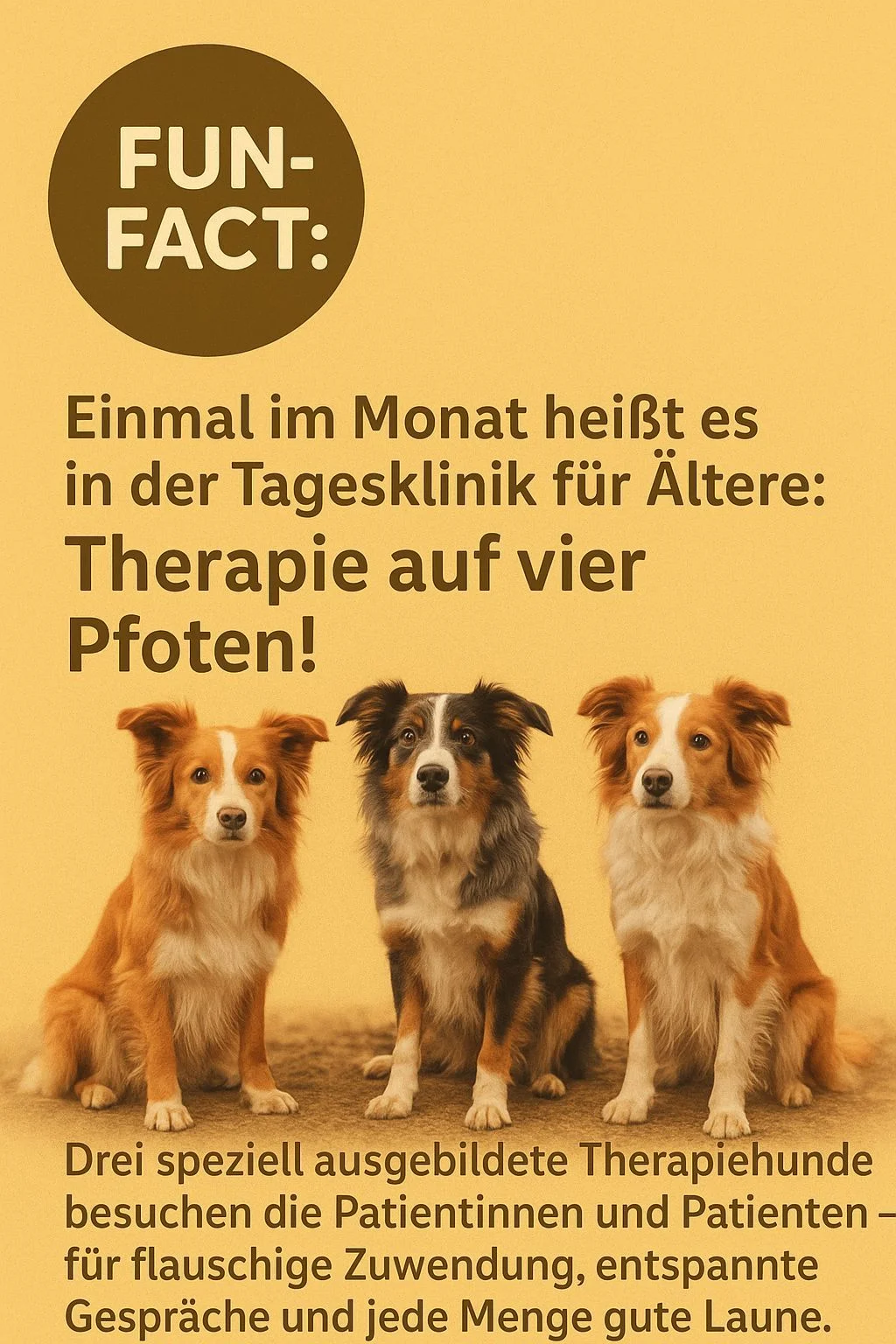
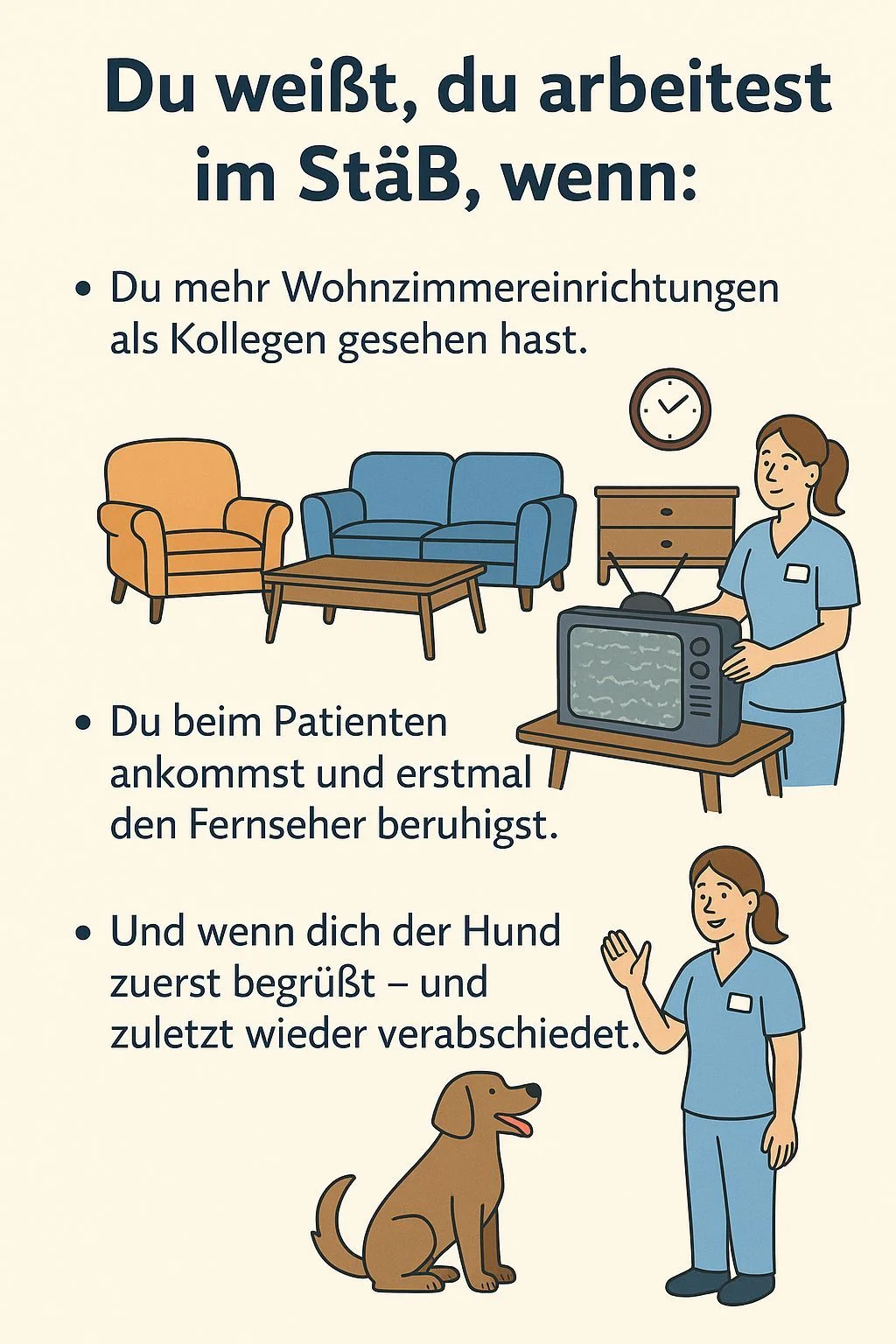
At the heart of our unit is the ongoing dedication of a team of nurses. Together, we foster a spirit of support that helps older adults with mental health disorders and multimorbidity live their lives to the fullest.
5 Questions for ...
If the coffee machine at the day clinic could talk—what do you think it would say about everyday life here?
She knows how many different professions come together here to have a coffee and chat, make decisions, or exchange information. She’s familiar with all the rituals—from an espresso when things get hectic and time is tight, to a latte in her favorite mug during her lunch break. She’s experienced everything from quiet, relaxed days to days when there’s no time even for a cup of coffee. I hope she’ll say that she feels cared for and appreciated, because without her, something would be missing.
What superpower would you wish for to help with your daily care routine—and why that one in particular?The superpower of “inexhaustible empathy with a self-protection shield.” In other words, the ability to be compassionate without burning out. In reality, caregivers often reach their physical and emotional limits. A superpower that combines compassion and strength would enable them to help day after day—with warmth, but without sacrificing themselves.
If you could spend a day with a patient—but remain invisible—what would you most like to observe?
What I'd love most is to see him or her enjoy life again. Maybe meet someone special, do something wonderful, and truly feel the joy of it.
What was the most unusual or heartwarming situation at the day clinic that you'll never forget?I can't think of any specific situation. But we hold a post-hospitalization depression support group once a quarter, which former patients are welcome to attend. It's always nice to see them and to hear that their stay here helped them and that they have fond memories of it.
If the day clinic were an animal, what would it be, and why?The day clinic would be like a big, old tortoise. It has a hard shell but a soft core; it is patient, very wise, and likable.
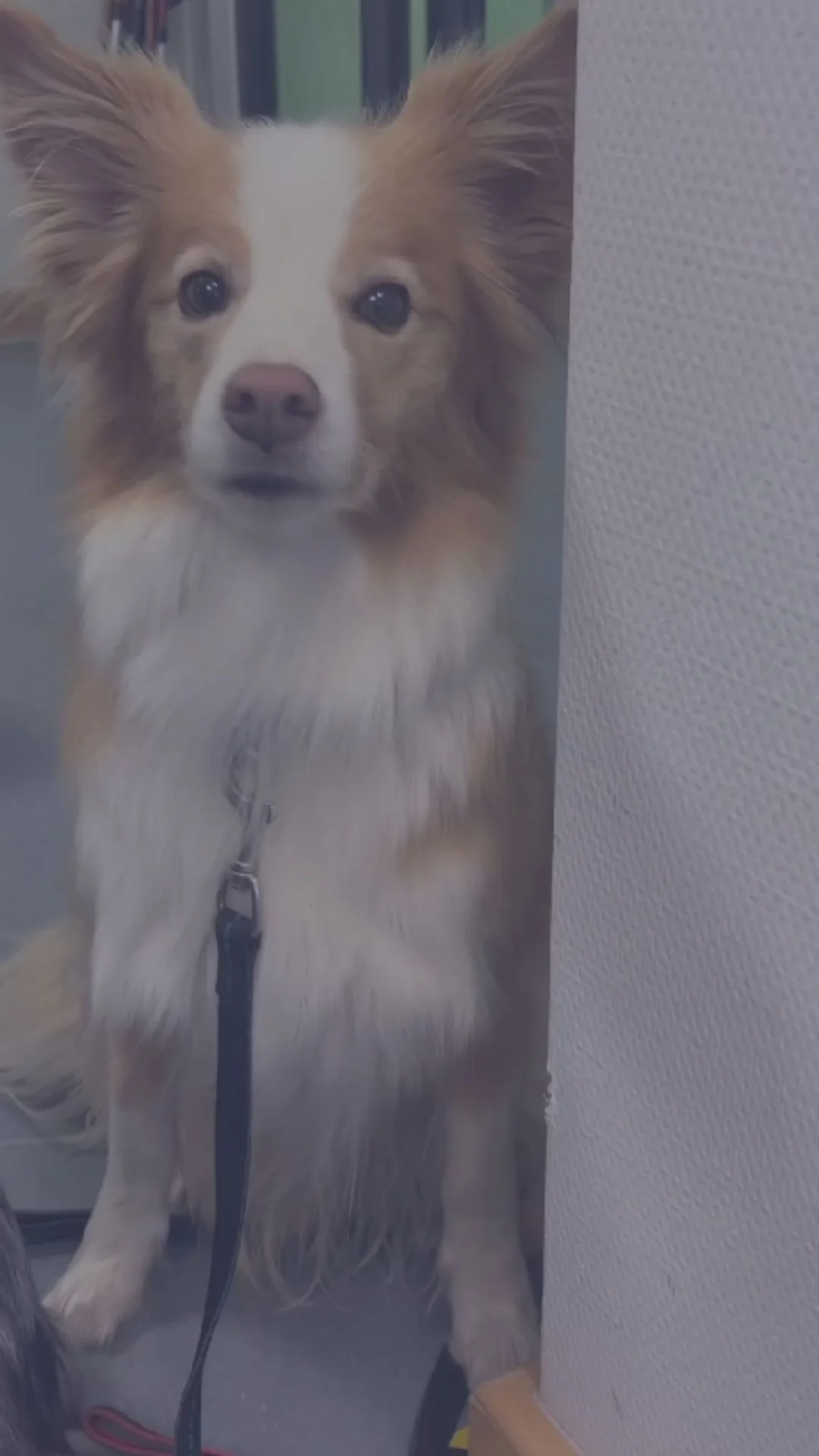
Ward Tour with Our Therapy Dog
Join the team!
Get in touch with our representatives or apply through our current job openings!
Learn more
You can find more photos and information about the station on our website.
Our Contacts
Would you like to join our team, or do you have any questions? If so, please feel free to contact us.