Psychosis Unit

Inside UKT Psychosis Unit

With Heart, Attitude, and Structure

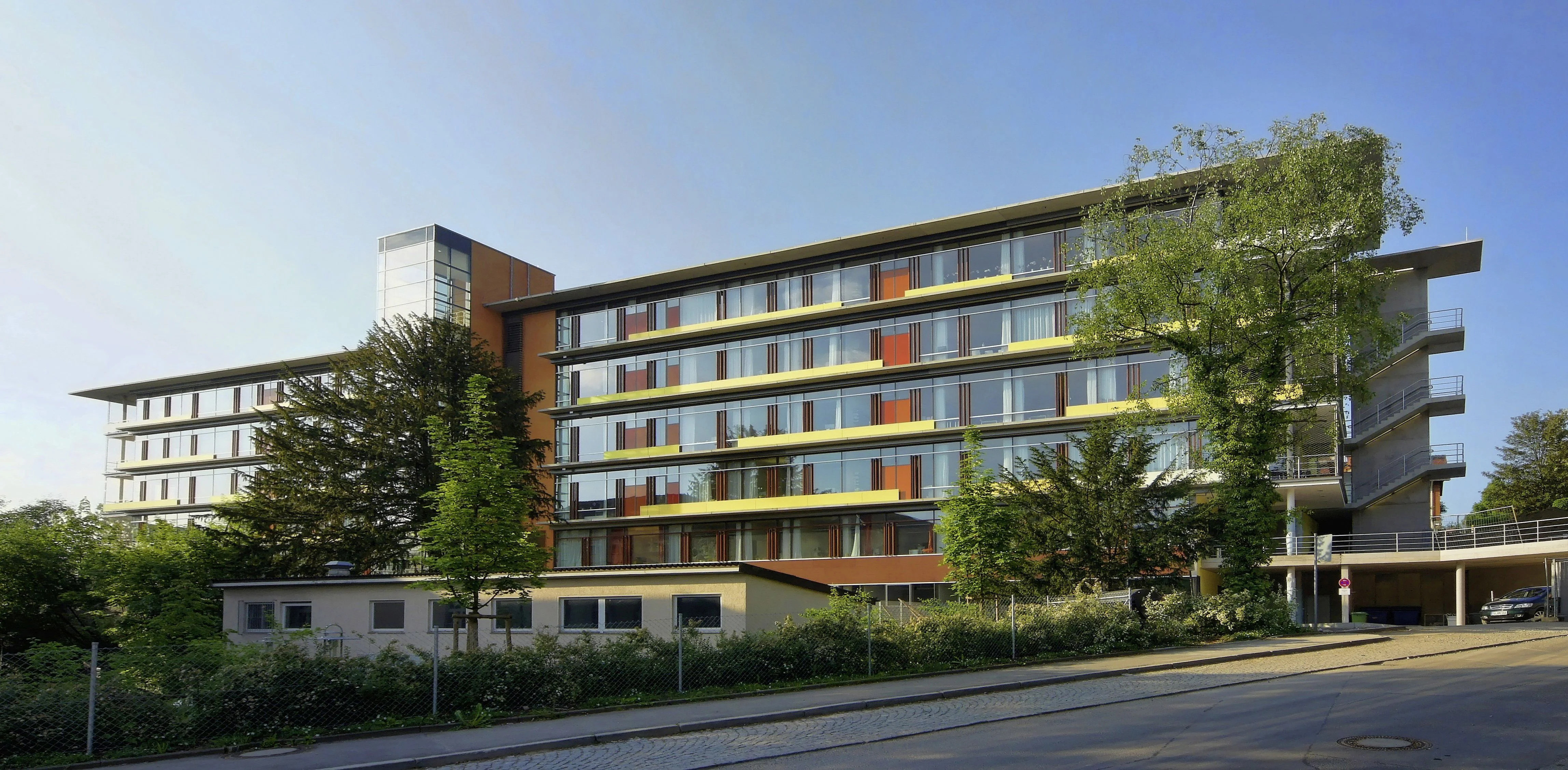
The Psychosis Division at the University Hospital for Psychiatry and Psychotherapy in Tübingen brings together the expertise of numerous professional groups in the treatment and care of people with psychotic disorders. From acute care and structured therapy settings to outpatient and outreach treatment, we ensure that patients receive continuous, reliable care in accordance with current professional standards. Our work is multidisciplinary, relationship-oriented, and always focused on individual development paths. Nursing, medicine, psychology, social services, and various therapeutic professions work closely together to ensure care of the highest quality. Through this website, we aim to provide a transparent insight into our philosophy, our approach, and the diversity of our care structures. The Psychosis Care Unit at the University Hospital of Tübingen supports people with psychotic disorders through all phases of their treatment—from acute crisis through therapeutic stabilization to ongoing outpatient care. The secure acute ward 11, the open therapy ward 21, the Psychiatric Institute Outpatient Clinic (PIA), and the Psychosis Outpatient Clinic (StäB) work in close collaboration and pursue a common goal: reliable, relationship-oriented, and professional care of the highest standard. Our approach to care is characterized by clarity, respect, and a commitment to facilitating individual paths of development. Through multiprofessional collaboration, we create structures that provide security while also promoting self-determination.

Favorite phrase during handoffs? “Therapy goal / daily goal achieved!”

An Overview of Our Departments

On Ward 11, we treat people experiencing mental health crises with respect, clarity, and professional care. As a secure acute care ward, we care for patients with severe psychiatric illnesses—often during particularly stressful and unstable periods in their lives. Our multidisciplinary team works closely together in a solution-oriented manner to facilitate rapid stabilization, safety, and the first steps toward recovery. In doing so, we rely on modern approaches such as safewards and active de-escalation management to best combine relationship-building with protection. We view crises as turning points—not as dead ends.

Our approach is structured, reflective, and grounded in mutual trust. Professional development and interprofessional exchange are just as much a part of our work as humor, self-care, and team spirit. If you want to make a difference in a challenging but meaningful environment, you’ve come to the right place. What drives us is a reflective approach to collaboration, mutual trust, and our commitment to providing the best possible acute psychiatric care.
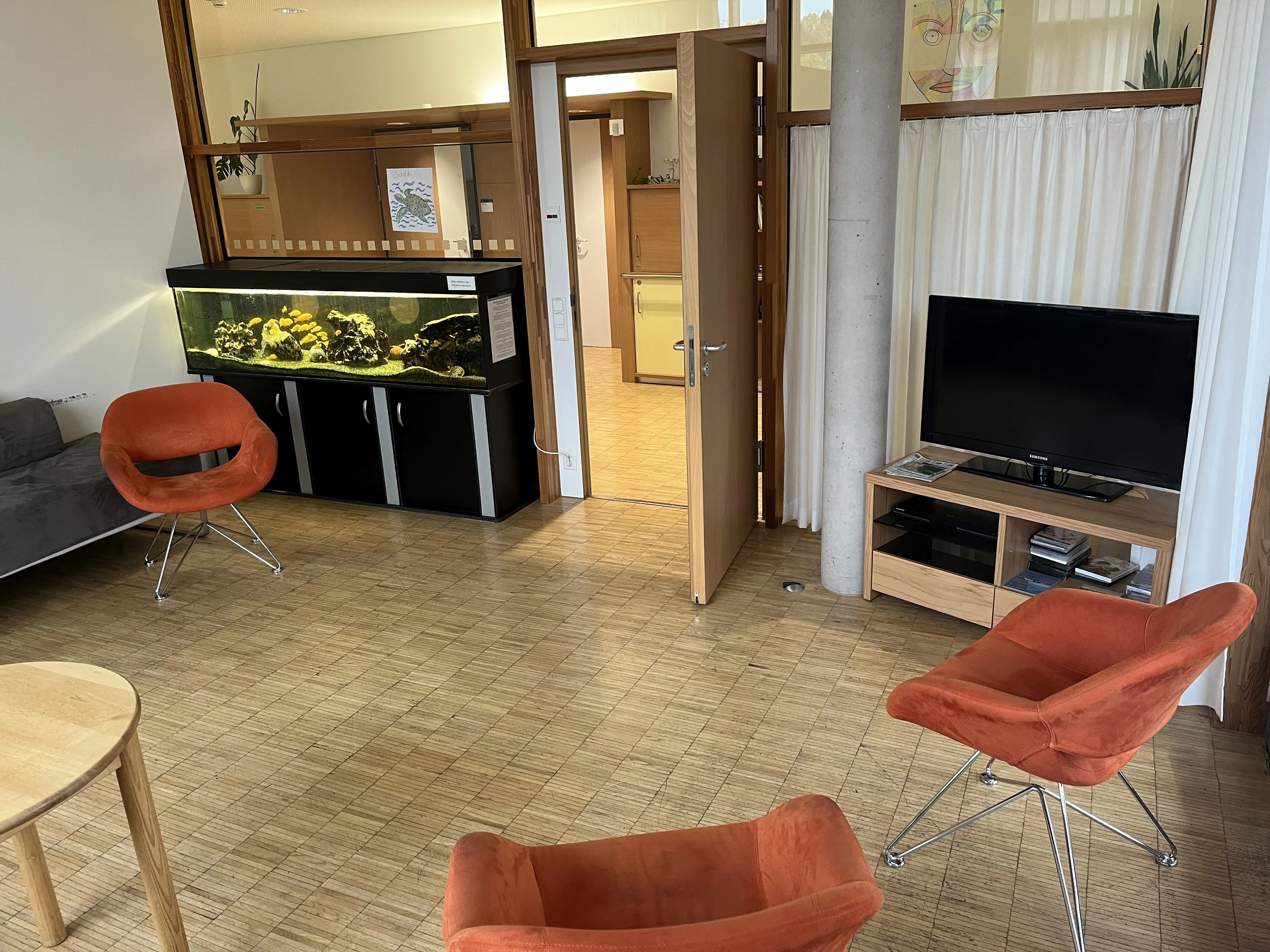
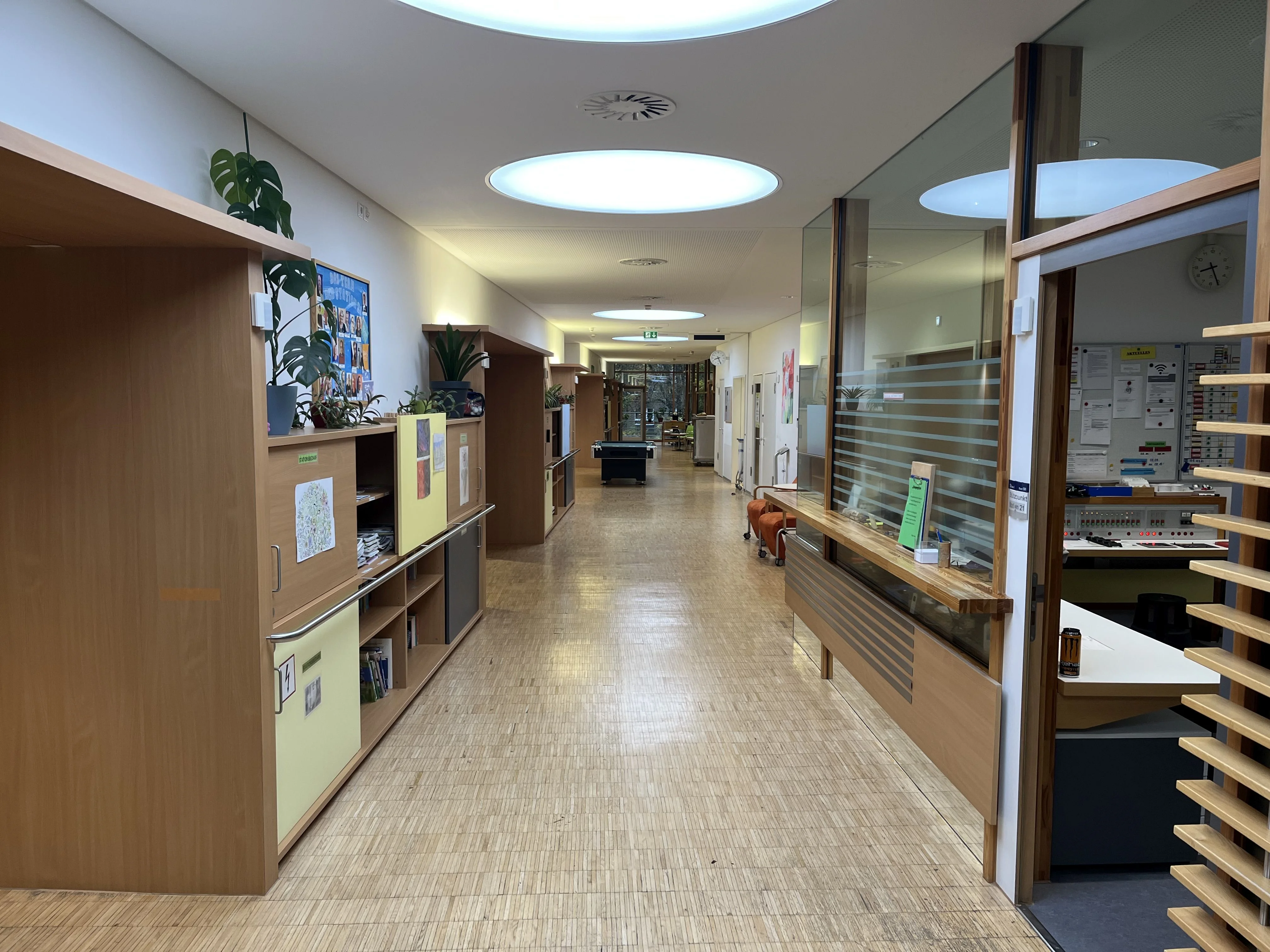
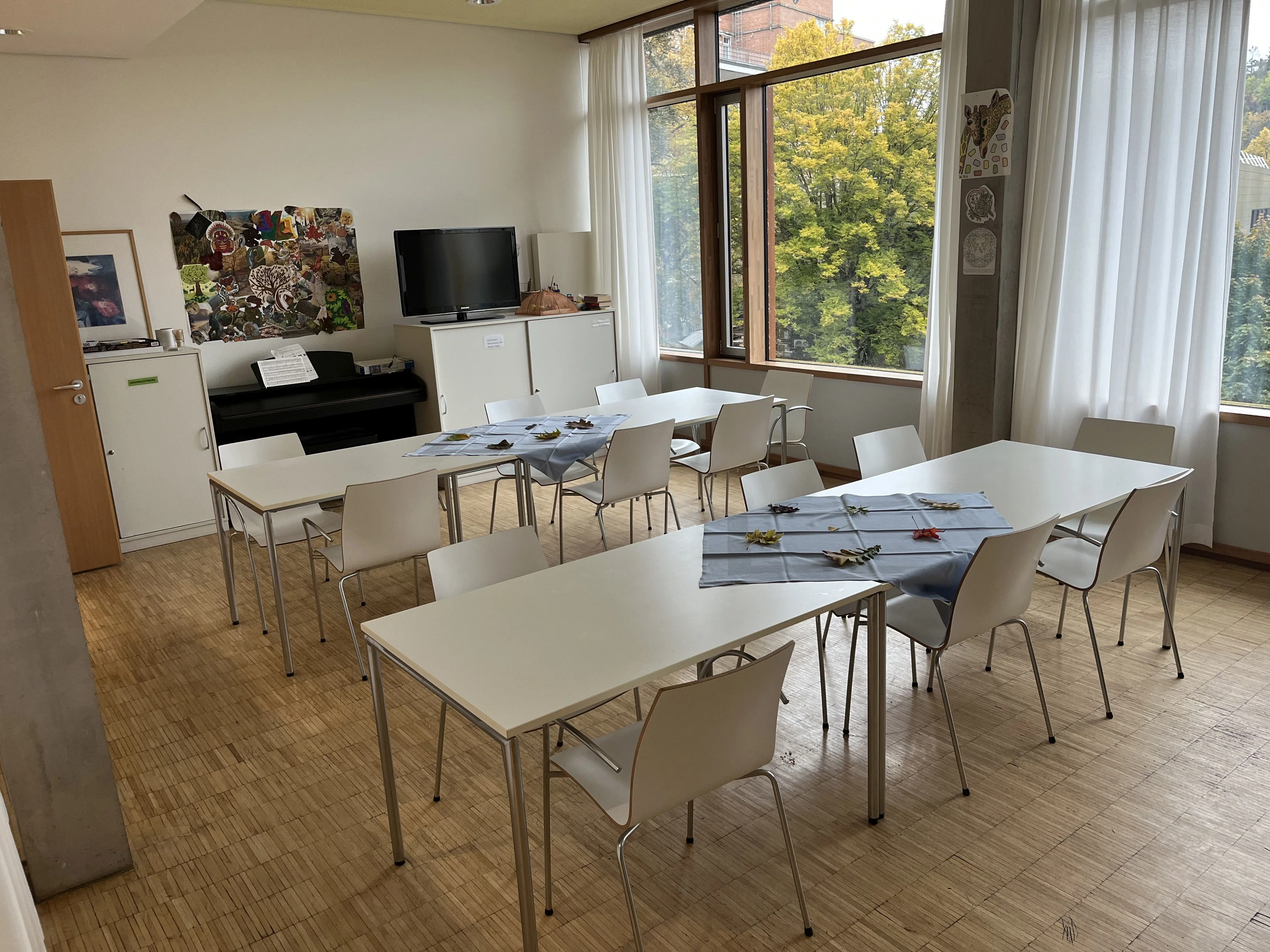
Ward 21 is the open therapy ward at the University Clinic for Psychiatry and Psychotherapy in Tübingen—specializing in the treatment of people with schizophrenia-spectrum disorders. Our structured, multimodal treatment approach combines medical stabilization, psychotherapeutic services, an activating therapeutic environment, and targeted psychosocial support.

The therapeutic relationship is at the heart of our work: We take a relationship-oriented, resource-focused approach and follow a clear weekly structure that fosters security, orientation, and participation. Primary nursing plays a central role in this—it ensures continuity, reliability, and space for individual growth.

Our multidisciplinary team interacts with patients with openness, professionalism, and a genuine therapeutic approach. At the same time, we promote professional exchange, continuing development, and a vibrant team culture. Anyone who wants to help shape psychiatric therapy with structure, depth, and a sense of responsibility will find a dedicated and supportive environment on Ward 21.

The Psychiatric Outpatient Clinic (PIA) at the University Hospital of Tübingen is part of the Psychosis Care Unit and offers outpatient, multidisciplinary treatment for people with a wide range of psychiatric disorders. Our focus is on supporting people with schizophrenic psychoses, depression, personality disorders, and mental health issues in older adults.

We view outpatient psychiatric care as relationship-building over extended periods—individualized, committed, and grounded in everyday life. Our approach is based on a primary nursing model that provides structure and continuity. Together with physicians, psychologists, social services, and therapists, we develop sustainable, tailored treatment plans. In addition to individual counseling, medication management, and social counseling, we offer physical and practical support for daily living—ranging from occupational therapy to household skills training. In special cases, we also conduct home visits.

PIA is a place where psychiatric nursing takes responsibility: for sustainable relationships, for personalized care, and for people who want to shape their own path through daily life while living with a mental illness. Anyone who wants to shape psychiatric nursing with vision, structure, and genuine team spirit will find a diverse and professionally strong environment here.

The Inpatient-Equivalent Treatment for Patients with Psychosis (Psychosis-StäB) is an integral part of the Psychosis Care Unit at the University Hospital of Tübingen. It is designed for people for whom inpatient treatment is indicated but, for personal, social, or biographical reasons, is not feasible or not desired. Our multidisciplinary team provides treatment in the patient’s home environment—in a personalized, committed manner, with face-to-face contact at least once a day.

StäB brings hospital-level care into everyday life: symptoms and stressors can often be identified more accurately and addressed more effectively in this setting. Family members can be involved, daily routines can be strengthened, and resources within the patient’s immediate living environment can be mobilized. Anyone seeking to provide psychiatric care with a high degree of responsibility, genuine relationship-building, and a great deal of flexibility will find a unique and rewarding field of work in the Psychosis StäB program.

5 Questions for...

What exactly happens on Ward 11, and what does “acute psychiatric” actually mean?

People come to us who are experiencing a mental health crisis—whether due to depression, psychosis, anxiety, or acute stressful situations. Our ward is open around the clock whenever rapid, intensive support is needed. We stabilize patients, provide support, and help them regain their footing. We work toward achieving basic stabilization to enable further diagnosis-specific therapy or to facilitate a return to their familiar social environment.

What kinds of challenges do patients come to you with, and how exactly do you help them?

Often, these situations involve intense emotional distress: deep despair, anxiety, and even suicidal thoughts. We work closely as a team comprising nursing staff, doctors, psychologists, social workers, occupational therapists, and physical therapists. It’s not just about medication—conversations, structure, safety, and relationships also play a major role.

Benedikt (Deputy Head Nurse 2 & Clinical Instructor) on Acute Care Unit 11 and Psychotherapy Unit 21
What does a typical workday look like for you on the ward?

There’s a routine—but no two days are alike. We start with a handoff within the team, followed by rounds, conversations, therapy sessions, and plenty of interpersonal interaction. Sometimes we’re crisis managers; other times, we’re simply a calm anchor. It involves a lot of teamwork and dedication—but we always do it together.

What are the biggest challenges—and what keeps you motivated despite everything?

The biggest challenge is dealing with acute crises, which are often very complex and multifaceted. Each patient has unique needs that require a flexible and interdisciplinary approach. Our motivation stems from our professional expertise and the sense of accomplishment we feel when we succeed in stabilizing acute symptoms and laying the groundwork for further treatment.

What misconceptions about psychiatry would you like to dispel?

A common misconception is that psychiatry is synonymous with coercive measures or isolation. In reality, it is primarily about providing targeted, short-term assistance during crises—based on evidence-based methods and interdisciplinary collaboration. It is also important to us to reduce the stigma surrounding mental illness, because mental health is just as important as physical health. Openness and education are crucial to this effort.

Our Psychotherapy Unit 21

Impressions of the Station

Our Work

At our facility, colleagues have the opportunity to share responsibility for therapy: This includes structured morning and evening meetings, mindfulness and creative activities such as baking, cooking, or outdoor activities—these are just a few examples of the wide range of possibilities. Thanks to flat hierarchies within our interdisciplinary team, employees can specifically develop their own professional skills and actively incorporate them into the therapeutic process, allowing every staff member to play a professional role in shaping daily ward life. Annual prevalence: More than one in four adults in Germany (over 25%) suffers from a mental illness at some point during the course of a year. The most common diagnoses include anxiety disorders, depression, and disorders resulting from alcohol or medication use.

Join the team!

Get in touch with our representatives or apply through our current job openings!

Learn more

You can find more photos and information about the station on our website

Our Contacts

Would you like to join our team, or do you have any questions? If so, please feel free to contact us.

Silvia Brand
Silvia Brand Nursing Services Management 07071 29-82323 Silvia.Brand@med.uni-tuebingen.de
Judith Strate
Judith Strate Deputy Director of Nursing 07071 29-84564 Judith.Strate@med.uni-tuebingen.de