
If you are a patient or a family member interested in participating in a study, please contact us—we will be happy to let you know if there is a suitable study available. We also welcome inquiries from private practice physicians at any time. You can find some of our ongoing studies below.
Current Studies
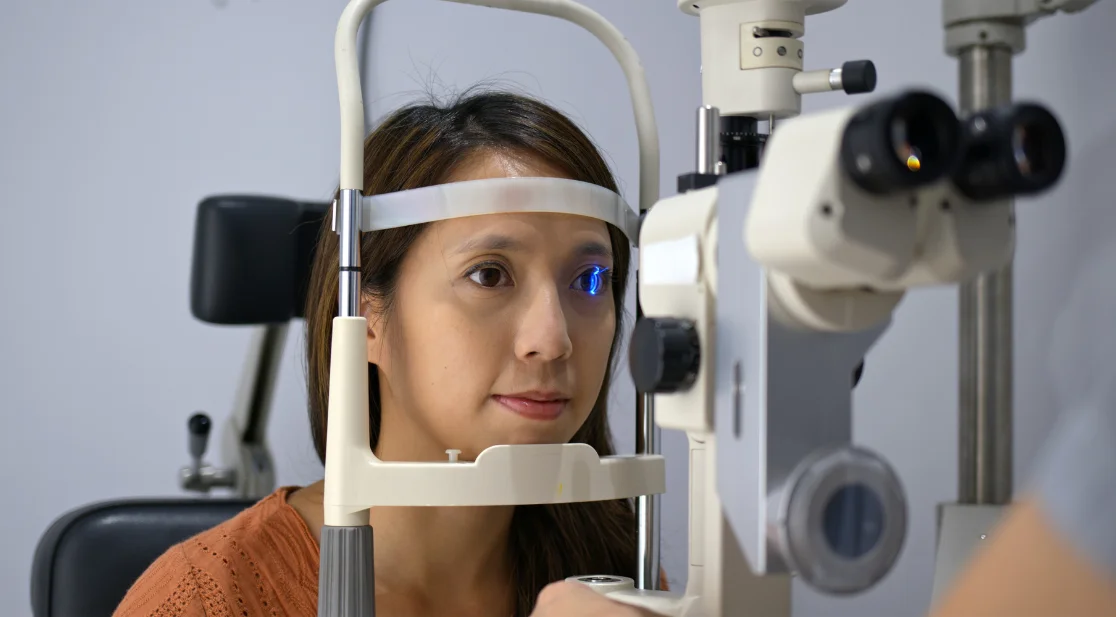

Recent Studies in Ophthalmology
Diabetic retinal disease
Diabetic retinopathy (a condition affecting the retina) is a common complication of diabetes mellitus. Diabetic macular edema is a thickening of the retina in the area responsible for sharpest vision and is the most common cause of vision loss.
Contact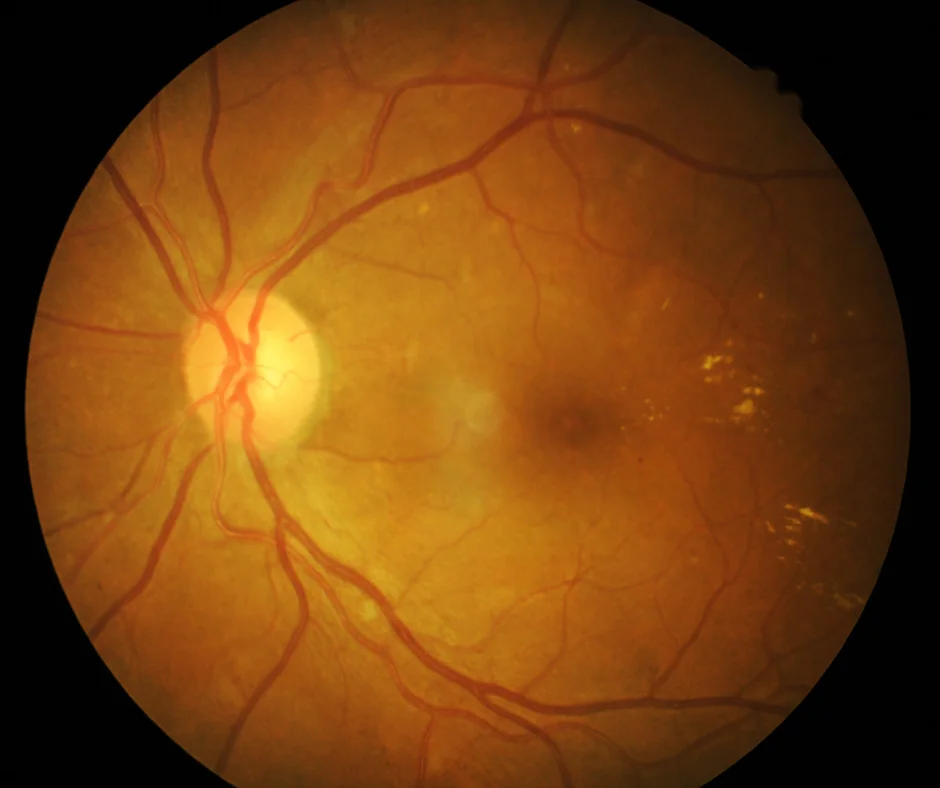
CRIMSON
This study is for patients diagnosed with nonproliferative diabetic retinopathy. It will last up to about a year and a half and will involve up to 17 visits at the study site. During up to 11 of these visits, participants will receive the study medication as an injection into the eye or a placebo treatment.
Glaucoma
The term "glaucoma" refers to a group of eye conditions that cause damage to the optic nerve. In these conditions, intraocular pressure is often elevated.
Contact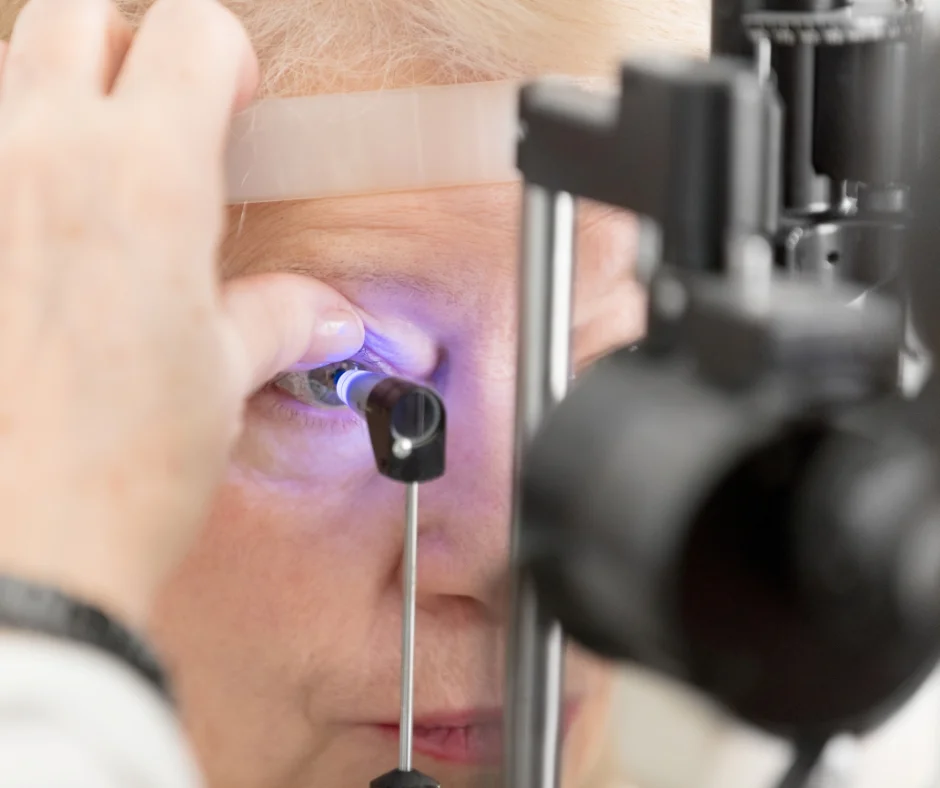
Visooma
The Visooma study is investigating a digital health application (app) for patients with primary open-angle glaucoma. The aim of this study is to determine whether using the app helps glaucoma patients adhere more consistently to their treatment and better understand and manage their condition.
Among other features, the app provides reminders for regular medication use, information about the condition, and support for managing treatment in daily life. Participants will continue to receive their standard treatment and use the app as a supplement. The study duration is approximately 6 months per patient, during which regular ophthalmological checkups will take place.
PRESERFLO TM
POST MARKET CLINICAL FOLLOW-UP STUDY TO DEMONSTRATE THE SAFETY AND PERFORMANCE OF THE PRESERFLO™ MICROSHUNT XI IN PATIENTS WITH PRIMARY OPEN ANGLE GLAUCOMA
This international observational study is investigating the safety and efficacy of the PRESERFLO™ MicroShunt in patients with primary open-angle glaucoma in everyday clinical practice. The PRESERFLO™ MicroShunt is a small implant designed to lower intraocular pressure by improving the natural drainage of aqueous humor.
The study is open to adults between the ages of 18 and 85 whose intraocular pressure is not adequately controlled despite medication.
As part of the study, all participants will receive the PRESERFLO™ MicroShunt as part of their regular treatment. Data on intraocular pressure, the number of glaucoma medications required, and any complications or side effects will then be collected over a period of at least 12 months. The goal is to better understand the long-term outcomes of this surgical method under real-world conditions.
Further information can be found online with the studycode NCT07235592.
Clarity
A Phase 3 Randomized, Double-Blind, Placebo-Controlled Study to Investigate the Safety and Efficacy of Oral Brepocitinib in Adults with Active, Non-Infectious Intermediate, Posterior, and Panuveitis
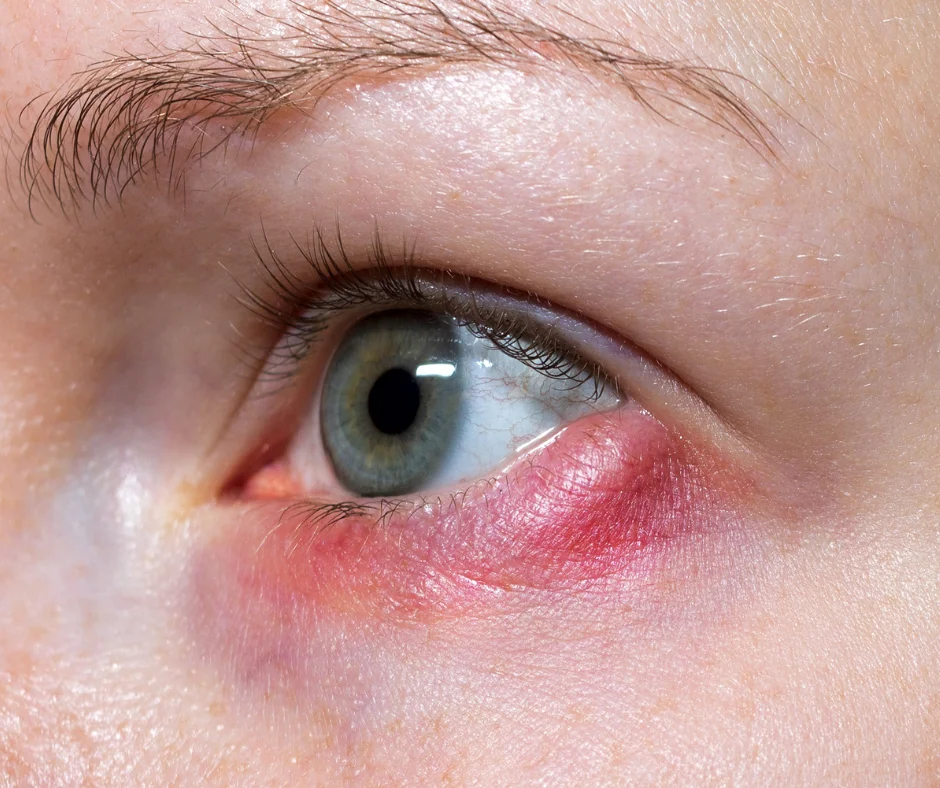
This study is investigating how safe and effective brepocitinib is in people with active, non-infectious uveitis that does not affect the anterior segment of the eye (intermediate, posterior, or panuveitis).
The study includes two groups: one group receives a daily dose of brepocitinib in tablet form, while the other group takes a daily placebo (a dummy drug with no active ingredient).
The study is conducted as a “double-blind” trial. This means that neither the participants nor the study team knows who is receiving the medication and who is receiving the placebo. This is intended to ensure that the results are as objective and reliable as possible.
Information about the study can be found online under the following code: NCT06431373
If you are interested in participating in the study, please contact: studien.augenklinik@med.uni-tuebingen.de, or 07071 29-87435. The exact inclusion and exclusion criteria will be reviewed on-site at the clinical trial unit.
Inherited degenerative retinal diseases
This term encompasses a wide range of rare, hereditary eye disorders.
Contact
ASTRA
A Phase 1/2, first-in-human, open-label, assessor-masked, randomized, controlled, dose escalation/expansion study to evaluate the safety, tolerability, and preliminary efficacy of a subretinal injection of SB-007 in subjects with Stargardt disease (STGD1) caused by bi-allelic autosomal recessive mutations in the ATP-binding cassette subfamily A member 4 (ABCA4) Gene
This study will investigate the safety, tolerability, and preliminary efficacy of SB-007. The investigational drug will be administered as a single subretinal injection( under the retina)to subjects in whom a diagnosis of Stargardt disease has been genetically confirmed by the detection of biallelic mutations in the ABCA4 gene.
Provided that the independent safety committee deems the drug safe and well-tolerated four weeks after treatment, the study will continue with an additional cohort of patients.
For safety reasons, all study participants will be carefully monitored over an extended period.
Further information about the study can be found online under the following code: EUCT number: 2024-519535-42-00
If you are interested in participating in the study, please contact: studien.augenklinik@med.uni-tuebingen.de, or 07071 29-87435. The exact inclusion and exclusion criteria will be reviewed on-site at the clinical trial unit.
GYROS Study
An observational study for patients aged 18 and older who have atrophia gyrata—a rare and slowly progressive form of chorioretinal degeneration. The study includes several groups; depending on the group, participants will make up to 5 visits to the clinical trial unit and have several phone calls with the clinical trial unit over a 48-month period.
HYPERION
The purpose of this study (double-blind, placebo-controlled) is to investigate the efficacy, safety, and tolerability of sepofarsen (intravitreal injection) in patients with congenital liver amaurosis (LCA) caused by a c.2991+1655A>G mutation in the CEP290 gene. The study/treatment duration is 12 months. Sepofarsen is injected into one eye and a placebo into the other. After one year, the treatment is switched for both eyes.
You are eligible to participate if:
- You are at least 18 years old (or 6–17 years old with parental consent)
- You have been diagnosed with LCA10 and have a molecular diagnosis of homozygosity or compound heterozygosity for the c.2991+1655A>G mutation in CEP290
- You have never received gene or stem cell therapy
LUNA
The purpose of this study (multicenter, double-blind, placebo-controlled) is to evaluate the safety and tolerability of ultevursen, which is administered via intravitreal injection. We are seeking patients with retinitis pigmentosa (RP) caused by mutations in exon 13 of the USH2A gene. The randomization ratio is 2:1 between ultevursen and a placebo treatment. The final treatment will be administered in month 18.
You are eligible to participate if:
- You are at least 18 years old (or 8–17 years old with parental consent)
- you have retinitis pigmentosa with Usher syndrome type 2
NAC Attack
A study for patients with retinitis pigmentosa. The study will test the active ingredient N-acetylcysteine (NAC) in patients aged 18 and older. There will be 9 in-person visits at the clinical trial unit over a period of 45 months, as well as 3 virtual visits and 10 phone calls with your study coordinator.
Osprey
An Open-Label Study to Investigate the Safety, Tolerability, and Exposure of Single Ascending Doses of the Antisense Oligonucleotide STK-002 in Patients with Autosomal Dominant Optic Atrophy
The OSPREY study is investigating a new, not-yet-approved therapy (STK-002) for patients with autosomal dominant optic atrophy (ADOA). This is a rare, genetically caused eye disease that leads to progressive vision loss. The goal of the study is to assess the safety and tolerability of the treatment and to investigate how the active ingredient is distributed in the body. Additionally, the study will monitor whether there are changes in the patients’ vision or quality of life.
The treatment consists of a single injection of the investigational drug into the vitreous humor of the eye (intravitreal). Different dosages will be tested. The study duration per patient is approximately 48 weeks (about 1 year). During this time, regular follow-up examinations will take place to carefully monitor the effects and potential side effects of the therapy.
Polaris
This is a study designed to monitor the progression of Stargardt disease type 1 (STGD1), which is caused by autosomal recessive mutations in the ABCA4 gene.
You are eligible to participate in the study if:
- You are between 12 and 65 years old
- You have received a diagnosis of STGD1 and it has been confirmed by a laboratory
Vigeneron Study
A gene therapy study for patients with retinitis pigmentosa caused by CNGA1 mutations. It involves 11 visits at the clinical trial unit over 12 months. The study drug is injected into the eye. Patients 18 years of age and older are eligible.

There are currently no ongoing studies.
Age-related macular degeneration (AMD)
Age-related macular degeneration—or AMD for short—is a chronic retinal disease that typically begins to develop after the age of 55.
Contact
ACHIEVE
A Randomized, Controlled, Partially Masked, Phase 3b Study to Assess the Injection Burden, Efficacy, Safety, and Long-Term Preservation of Visual Acuity of Surabgene Lomparvovec (ABBV-RGX-314) in a RealWorld Context in Subjects with Neovascular Age-Related Macular Degeneration (nAMD)
The goal of the study is to determine whether the treatment can reduce the number of necessary eye injections in the long term while preserving vision. The new therapy is being compared with the established treatment, ranibizumab (Lucentis®).
The gene therapy is administered as a single injection under the retina. Participants will then be monitored over several years. The study will assess visual acuity, the need for additional anti-VEGF injections, and the safety and tolerability of the treatment.
Eligible participants are adults with wet age-related macular degeneration who have already responded to anti-VEGF treatment and have received at least two such injections in the past six months.
AdarX
A Phase 2, Randomized, Masked, Placebo-Controlled Study of Subcutaneously Administered ADX-038 in Participants With Geographic Atrophy (GA) Secondary to Age-Related Macular Degeneration (AMD)
This study is investigating the new drug ADX-038 in people with geographic atrophy (GA) caused by age-related macular degeneration (AMD). The study aims to determine whether ADX-038 can slow the progression of the disease. It will also assess how well the drug is tolerated and what potential side effects may occur.
ADX-038 is injected under the skin. The treatment and regular eye exams will take place over a period of about 2 years. Participants will be randomly assigned to different treatment groups. One group will receive a placebo (dummy treatment), and the other group will receive the treatment.
Inclusion criteria include, among others:
Age: 60–89 years
Geographic atrophy due to AMD must be present.
The atrophy must be of a certain size (2.5–12.5 mm²).
The affected eye must have sufficient visual acuity.
It must be possible to obtain good images of the retina (e.g., via OCT/FAF).
Willingness to receive the required meningococcal and pneumococcal vaccinations.
Willingness to participate in regular study visits over approximately 2 years.
The exact inclusion and exclusion criteria will be verified on-site at the study center.
ARCHER
Recruitment has ended; no more patients will be enrolled
This study is evaluating the efficacy of the investigational drug ANX007, which is intended to reduce vision loss in participants with geographic atrophy resulting from age-related macular degeneration (AMD). All participants will be assigned to either the treatment or placebo group in a 2:1 ratio.
The investigational drug is administered intravitreally as an injection into the eye. The total duration of participation in the study will be approximately 24 months.
You are eligible to participate if:
- You are at least 50 years old
- You have been diagnosed with geographic macular atrophy resulting from AMD
Circle
A randomized, double-blind, placebo-controlled, multicenter, dose-range-finding study to assess the efficacy and safety of FWY003 in patients with geographic atrophy secondary to age-related macular degeneration
The goal of the Phase 2 study is to determine whether the new active ingredient FWY003 can slow the progression of retinal degeneration.
The study is randomized, placebo-controlled, and double-blind. Participants aged 50 and older with a diagnosis of geographic atrophy are randomly assigned to one of three different doses of the active substance or to a placebo group. Neither the participants nor the treating study staff know which treatment is being administered.
The study primarily investigates changes in the area of geographic atrophy over time. In addition, visual acuity, various aspects of visual function, and imaging parameters of the retina are evaluated. Another focus is on the safety and tolerability of the medication.
Further information about the study can be found online under the study code: NCT07441642.
eDream
A phase 2, double-masked, randomized, multicenter, parallel group, placebo-controlled study to investigate the efficacy and safety of GAL-101, 2%, ophthalmic solution in patients with non-foveal geographic atrophy secondary to non-neovascular age-related macular degeneration: eDREAM study
The Phase 2 eDREAM study is investigating whether the new GAL 101 eye drops can slow the progression of geographic atrophy (GA)—an advanced form of dry age-related macular degeneration (AMD). The primary objective is to reduce the rate at which the GA lesion shrinks and to slow the further loss of photoreceptor cells.
Who is eligible to participate?
Adults are eligible to participate if they have:
a diagnosis of dry AMD with geographic atrophy (non-neovascular),
a GA lesion outside the fovea (non-foveal),
sufficient visual acuity in the study eye, and
the ability to adhere to the regular use of the eye drops and attend study appointments.
Individuals are not eligible if they have, among other conditions, wet (neovascular) AMD in the study eye, certain other retinal diseases, or if they have previously been treated with GAL 101. Whether you are personally eligible will be determined at the study center following a thorough ophthalmological examination and consultation.
Futher information can be found online with the Code 2024-519128-26-00.
HONU
Recruitment has ended; no further patients will be enrolled
A study designed to document the progression of age-related macular degeneration in a large group of patients. Fourteen visits to the center are scheduled over a period of 3 years. Patients between the ages of 50 and 95 will be enrolled.
Malbec
A randomized double-masked, multicenter, 3-arm, pivotal Phase 2/3 study to evaluate the efficacy and safety of intravitreal (IVT) EYE201/MK-8748 compared to aflibercept (2 mg) in participants with neovascular age-related macular degeneration (NVAMD)
The aim of the study is to determine whether the study drug improves or maintains visual acuity within one year at least as effectively as the current standard treatment with aflibercept.
Adults aged 50 and older with previously untreated wet age-related macular degeneration (nAMD) are eligible to participate. Prerequisites include fluid or active neovascularization in the retinal area, as well as correspondingly impaired visual acuity.
PORTAL
A MULTICENTER, OPEN-LABEL EXTENSION STUDY TO EVALUATE THE LONG-TERM SAFETY AND TOLERABILITY OF THE PORT DELIVERY SYSTEM WITH RANIBIZUMAB IN PATIENTS WITH NEOVASCULAR AGE-RELATED MACULAR DEGENERATION
The PORTAL study is investigating the long-term safety and tolerability of a specialized eye implant (Port Delivery System, PDS) that continuously delivers the active ingredient ranibizumab into the eye. The treatment is intended for people with wet age-related macular degeneration (nAMD). The implant is refilled regularly—approximately every 6 to 9 months—and could reduce the number of eye injections required.
The study includes patients who have already participated in a previous study with the Port Delivery System. The goal is to monitor the long-term effects of the treatment on eye health, vision, and the safety of the therapy over several years.
ReNEW
Recruitment has ended; no more patients will be enrolled
A study for patients diagnosed with dry age-related macular degeneration (AMD). The study will last 104 weeks (2 years). During this time, you will have 12 scheduled visits at the clinical trial unit. The medication is administered via self-injections under the skin (subcutaneously).
TES-GAP
Safety and Clinical Feasibility of Transcorneal Electrical Stimulation (TES) for Geographic Atrophy Under Real-World Conditions – A Multicenter, Randomized, Double-Blind, Sham-Controlled Pilot Study
The aim of the study is to evaluate the safety and efficacy of transcorneal electrical stimulation (TES). This is a procedure in which weak electrical impulses are transmitted through the cornea to the retina to potentially support the function of retinal cells.
The OkuStim-2 system is used in the study. Participants are divided into different groups that receive varying intensities of electrical stimulation or a sham treatment (placebo). The aim is to investigate whether the treatment can slow the progression of the disease while being well-tolerated.
The study is an interventional pilot study and is intended for patients with geographic atrophy resulting from age-related macular degeneration.
Patients with geographic atrophy resulting from non-neovascular age-related macular degeneration who are 60 years of age or older may be included.
For more information about the study, please visit:
VELODROME
Recruitment has ended; no more patients will be enrolled
A study for patients aged 50 and older with AMD. It involves 23 visits to the center over the course of 1.5 years.
At the start, a small medical device is inserted into the eye that continuously releases medication. This is intended to extend the interval between injections to 36 weeks.
Endocrine Orbitopathy
Graves' ophthalmopathy, or endocrine ophthalmopathy, is the medical term for the involvement of the orbital tissues in the thyroid disorder "Graves' disease," which leads to protrusion of the eyes (exophthalmus).
Current Studies
There are currently no ongoing studies.
Dry eye
Dry eye is a condition affecting the surface of the eye in which either too little tear fluid is produced or the tear film is not stable enough. As a result, the eye is not sufficiently lubricated, which can lead to symptoms such as redness, burning or foreign body sensation.
Contact
Bausch & Lomb
A Double-Blind, Randomized, Parallel-Group, Non-Inferiority Study to Evaluate the Efficacy and Safety of Artelac® Complete MDO® Versus VISMED® MULTI Eye Drops in the Management of Moderate to Severe Dry Eye Disease - BL-CO04-ARTLCOMP-1401
This clinical study investigates whether Artelac® Complete MDO® eye drops are as effective as the well-established VISMED® MULTI eye drops in the treatment of patients with dry eye.
In addition, the safety of Artelac® Complete MDO® eye drops will be evaluated over the entire 90-day treatment period.
Patients aged 18 and older are eligible for inclusion.
Corneal Endothelial Dystrophy
The cornea is composed of several layers of tissue. The innermost layer is called the endothelium. In corneal endothelial dystrophy, isolated defects are found in this layer of cells, which can cause corneal clouding.
Contact
There are currently no ongoing studies.
Retinal Vein Occlusion (RVO)
Retinal vein occlusion is the blockage of a retinal vein, resulting in impaired venous drainage. It leads to bleeding, retinal edema, and impaired visual function.
Contact
NEXUS
Open-label, safety, tolerability and proof of concept study to evaluate the use of ANXV (recombinant human Annexin A5 protein) in the treatment of patients with either Diabetic Retinopathy or recent onset Retinal Vein Occlusion
The aim of this study is to evaluate the safety and tolerability of ANXV in patients with diabetic retinopathy or retinal vein occlusion.
Eligible participants are adults (≥18 years) with either:
non-proliferative or proliferative diabetic retinopathy without treatment-requiring central diabetic macular edema, or
retinal vein occlusion with symptom onset within ≤45 days.
ANXV is administered intravenously as a 30-minute infusion. Participants will undergo regular ophthalmic examinations as well as blood and urine sampling for safety assessments, pharmacokinetic (PK) analyses, and biomarker evaluations. If clinically indicated, rescue therapy with anti-VEGF agents is permitted.
Further information is available online under EU CT number: 2026-525349-65.
Oncological Diseases
Oncological diseases of the eye are rare but can significantly impair vision and quality of life. Malignant choroidal melanoma (uveal melanoma) is one of the most common malignant tumors inside the eye in adults.
Clinical trials make an important contribution to advancing the care of patients with malignant choroidal melanoma and other ocular tumors. Our clinical research center supports the conduct of scientific studies and guides patients on their journey toward new diagnostic and therapeutic options.

Optimum
A Randomized, Phase 3, Open-label Study of Neoadjuvant Darovasertib in Subjects with Primary Non-metastatic Uveal Melanoma (OptimUM-10)
The international Phase III OptimUM-10 trial is investigating whether pretreatment with the investigational drug darovasertib in adults with non-metastatic choroidal melanoma can help preserve vision and prevent the need for eye removal. This is followed by established local treatment, such as brachytherapy, proton radiation, or—if necessary—surgical removal of the eye.
The randomized, open-label trial compares pretreatment with darovasertib to immediate local therapy and is expected to enroll a total of approximately 520 patients. Participants will be followed for an extended period; the focus is on preserving visual acuity, preserving the eye, and assessing the safety and tolerability of the treatment.
Neuro-ophthalmological disorders
Neuro-ophthalmological disorders affect the connection between the eye and the brain.
These include, among others, optic neuritis (ON) and non-arteritic anterior ischemic optic neuropathy (NAION).
Early evaluation of changes in vision can be crucial for diagnosis and treatment.

Galassia
Randomized, Multicenter, Vehicle-Controlled, Double-Masked Phase 3 Study to Evaluate the Efficacy and Safety of Intranasal Cenegermin (Recombinant Human Nerve Growth Factor [rhNGF]) in Adult Participants with Non-Arteritic Anterior Ischemic Optic Neuropathy (NAION)
This study investigates whether an investigational drug (Cenegermin) administered as a nasal spray can improve vision following sudden vision loss caused by a circulatory disturbance in the optic nerve. The treatment is compared with a placebo.
Inclusion criteria include, among others:
Diagnosis: Unilateral, non-arteritic anterior ischemic optic neuropathy (NAION) in the study eye.
Time window: The vision loss must have occurred within 14 days prior to the planned start of the study.
Age: Between 50 and 75 years.
Find further information online with the study code 2025-524748-37-00
PIONEER-1
A RANDOMIZED, DOUBLE-MASKED, PLACEBO-CONTROLLED STUDY ASSESSING THE EFFICACY AND SAFETY OF PRIVOSEGTOR (OCS-05) IN PATIENTS WITH OPTIC NEURITIS (ON)
Optic neuritis is an inflammation of the optic nerve that can lead to a sudden deterioration in vision. This study investigates whether the investigational drug OCS-05 (Privosegtor) can support the recovery of vision and protect the optic nerve.
Participants will receive OCS-05 or a placebo for five consecutive days. Subsequently, the progression of vision and the condition of the optic nerve will be monitored regularly over several months. This will include, among other things, vision tests and OCT examinations.
Adults aged 18 to 50 who have experienced an acute episode of optic neuritis for the first time are eligible to participate in the study. Treatment must begin within 12 days of the onset of visual impairment.
Recent studies by the ENT department
Nose Indications
Contact
Ceren1
Ceren1 is a Phase 3 multinational, randomized, double-blind, placebo-controlled, parallel-group study with three treatment groups. The objective of the study is to evaluate the efficacy, safety, and tolerability of two dosing regimens of itepekimab compared to placebo as an adjunct to intranasal corticosteroids (INCS) in participants with chronic rhinosinusitis with nasal polyps (CRSwNP) aged 18 years and older. The study duration is up to 76 weeks, and the treatment duration is up to 52 weeks.
Essence
This multicenter Phase 3b study is investigating how treatment with tezepelumab affects symptoms in adult patients with chronic rhinosinusitis and nasal polyps. The goal is to evaluate the drug’s efficacy and its impact on patients’ quality of life.
Prognose
An observational study conducted over a 24-month period in patients with chronic rhinosinusitis with nasal polyps (CRSwNP) who received dupilumab.
PETRICHOR
ProspEctive, non-inTeRventIonal single-arm study with Tezepelumab to investigate the CHange in clinical and patient-reported Outcomes in patients with CRSwNP in Real-world
The PETRICHOR study is an observational study for adults with severe chronic rhinosinusitis with nasal polyps (CRSwNP).
The study will monitor how the disease progresses in patients who are treated with tezepelumab as part of their regular medical care. The decision to pursue this treatment is made jointly by the treating physician and the patient, independently of study participation.
Over a period of up to 104 weeks, symptoms, nasal polyps, sense of smell, and quality of life, among other factors, will be assessed during regular doctor visits. In addition, the collected data on treatment and tolerability will be analyzed.
The study aims to contribute to a better understanding of the experience with tezepelumab under real-world conditions in daily medical care.
Realiti-N
This observational study evaluates the efficacy of mepolizumab in patients with chronic rhinosinusitis with nasal polyps (CRSwNP) under real-world conditions.
Ear Indication
Contact
Akouos NHS Study
For this observational study, we are seeking participants with sensorineural hearing loss caused by an Otoferlin (OTOF) gene mutation. The study will last up to 5 years and involve up to 14 visits at the clinical trial unit; it is open to individuals born on or after January 1, 1980.
CDEX2
This clinical trial is evaluating a new cochlear implant from MED-EL that incorporates dexamethasone into the electrodes to reduce inflammation and counteract postoperative tissue trauma; the goal is to gather initial data on the implant’s safety and performance in adults.
CHORD
The CHORD clinical trial is evaluating the investigational gene therapy DB-OTO for children with congenital hearing loss caused by variants in the OTOF gene (otoferlin)*.
The objectives of this study following a single administration of DB-OTO:
- To evaluate the safety and tolerability of DB-OTO
- Effect on hearing improvement
Your child may be eligible to participate in the CHORD study if they meet the following criteria:
- Under 18 years of age
- Hearing loss due to variants in the OTOF gene (otoferlin), confirmed by a genetic test
- At least one ear without a cochlear implant
If you have any questions or would like more information about the CHORD study, please contact the study center.
*The OTOF gene therapy in the United States was approved on April 23, 2026.
The FDA granted approval for the first gene therapy targeting OTOF-related hearing loss (otoferlin deficiency), marking the first approved disease-modifying gene therapy for this form of genetic deafness in the U.S.
It is not yet approved for Europe.
PROHEAR
This study is intended for patients with testicular cancer who have normal hearing and for whom a cisplatin-based chemotherapy regimen is indicated following orchiectomy. The study is investigating a drug administered via the transtympanic route to protect the outer hair cells from ototoxicity.
ViHeCoReg
Vibrosonic alpha is an innovative, CE-certified hearing aid that rests directly against the eardrum.
As part of a follow-up study, we would like to find out how this new hearing aid performs in everyday life—with a particular focus on long-term tolerability, performance, and comfort.
Previous studies have already shown that Vibrosonic alpha is safe and effective. Through this study, we aim to gain an even better understanding of how the hearing system performs in the daily lives of various users.
Participation is simple and requires little effort. All examinations are, of course, conducted in accordance with the highest ethical and medical standards.
The insights gained will help us to continuously improve Vibrosonic alpha.
Indications for Head and Neck Oncology
Contact
HPV Registry
The aim of the study is to track HPV-associated oropharyngeal cancers and to assess the impact of HPV vaccination on their incidence. All data is collected on a completely anonymous basis.
MCLA-158-CL03
This Phase 3 study is evaluating the efficacy and safety of the new antibody petosemtamab in combination with pembrolizumab compared to pembrolizumab alone in patients with recurrent, metastatic, PD-L1-positive head and neck cancer.
Am I eligible for the study?
You probably have general questions or concerns about clinical trials.
Here, we’d like to address and answer some common questions and concerns. We’d be happy to discuss the issues that matter most to you in a personal conversation.
What is a clinical trial?
Clinical trials are used to evaluate the efficacy and safety of drugs or medical devices. Each clinical trial is a step toward the approval of a new treatment. Such trials follow a set schedule of follow-up visits.
What does "approval" mean?
For a new drug, it must be demonstrated that it was well-tolerated and effective in animal testing, and that a dose suitable for humans has been identified. In order for the first use in humans to be approved at all, numerous documents must be submitted and approved.
There are precise regulations regarding which patients may participate and which may not, as well as which examinations must be conducted during follow-up visits. The number of patients to be enrolled in the study, whether in Germany or internationally, is also determined in advance.
There are several stages (so-called phases) of clinical trials in drug studies. These include extensive data from the ethics committee and the responsible federal authority (Paul Ehrlich Institute or Federal Institute for Drugs and Medical Devices). Only after all human trials have been successful can a drug be approved with a specific dosage and method of administration.
First, the safety (Phase I) of the drug and the intended route of administration (for example, intravenously or into the vitreous humor) is investigated in a small group. This is followed by studies to determine the optimal dose and, finally, at least one study involving several hundred patients or more (Phase III). This allows researchers to verify once again whether the treatment truly has the desired effect. Only then can doctors in Germany prescribe it to their patients.
This means that without clinical trials, the approval of new drugs is not possible. For medical devices, CE marking is required so that the product may be placed on the market within the European Single Market.
Who needs clinical trials?
Patients, doctors, and manufacturers of pharmaceuticals and medical devices rely on clinical trials to make new treatments for specific diseases available.
Surprisingly, there are still many diseases in medicine for which there is no effective treatment at all. Or, while treatment options exist, there is a need to find better, more effective, or better-tolerated alternatives. The company or institution that bears primary responsibility for the trial and usually also funds it is called the sponsor. A hospital can serve as the sponsor, but due to the significant effort and high costs involved, in most cases the sponsor is an industrial company.
Will I be able to continue receiving treatment after the study?
This is a very understandable question, because if you benefit from a trial treatment, you naturally want to continue receiving the medication. In practice, this isn’t entirely straightforward, but it is possible.
Sometimes, following a Phase III trial, patients are enrolled in a so-called open-label study until the medication is approved. This means that all patients in this study receive the medication; there is no longer a control group. If you participated in a Phase I or II (see above) trial, you must first wait for the drug to complete further testing in Phase III until it is approved. Only then can the drug be prescribed through the standard channels. In special cases, the manufacturer, together with your treating physician, can apply for a compassionate use exemption, and you can continue to be treated with the trial drug through this process.
Will I definitely receive treatment if I participate in a study?
Yes, if you have a condition for which there is an approved and effective treatment, the new drug or medical device will be compared to that treatment. So you will receive treatment in any case.
However, if there is currently no treatment available for your condition, the new treatment will be tested against a control treatment (control condition: placebo or sham injection). The type of control used in a study must also be approved by the ethics committee and the relevant federal authority (Paul Ehrlich Institute or Federal Institute for Drugs and Medical Devices). Only Phase I drug trials, which focus solely on the safety of the new treatment, are conducted without a control group, and all participants receive the drug.
Will there be any costs for me?
Participation in the study is completely free of charge for you; the medications are provided at no cost, and in most cases, your travel expenses will be reimbursed or a free transportation service will be provided.
Who is funding the clinical trial?
Typically, an industrial company, but in some cases also a university hospital or institutions such as the Federal Ministry of Education and Research, the German Research Foundation, or a foundation. Funding may also come from abroad, especially when many countries participate in such a study.


Have we been able to address some of your questions and concerns? Are you interested in participating in a study?
If so, we’d be delighted and we thank you in advance!
Contact
Contact the Department of Ophthalmology
E-mail address: studien.augenklinik@med.uni-tuebingen.de
frontend.sr-only_#{element.icon}: +49 7071 29-87435
Contact the Department of Otolaryngology
E-mail address: studien.hno@med.uni-tuebingen.de
frontend.sr-only_#{element.icon}: +49 7071 29-84931
Certificates and Associations

Focus: Top National Hospital 2026




Stern: Germany's Outstanding Employers in Nursing 24/25


Quality partnership with the PKV

Pension provision for the public sector
