GLP-1-RA in diabetes and obesity – Is exercise out?
Coming soon
Coming soon
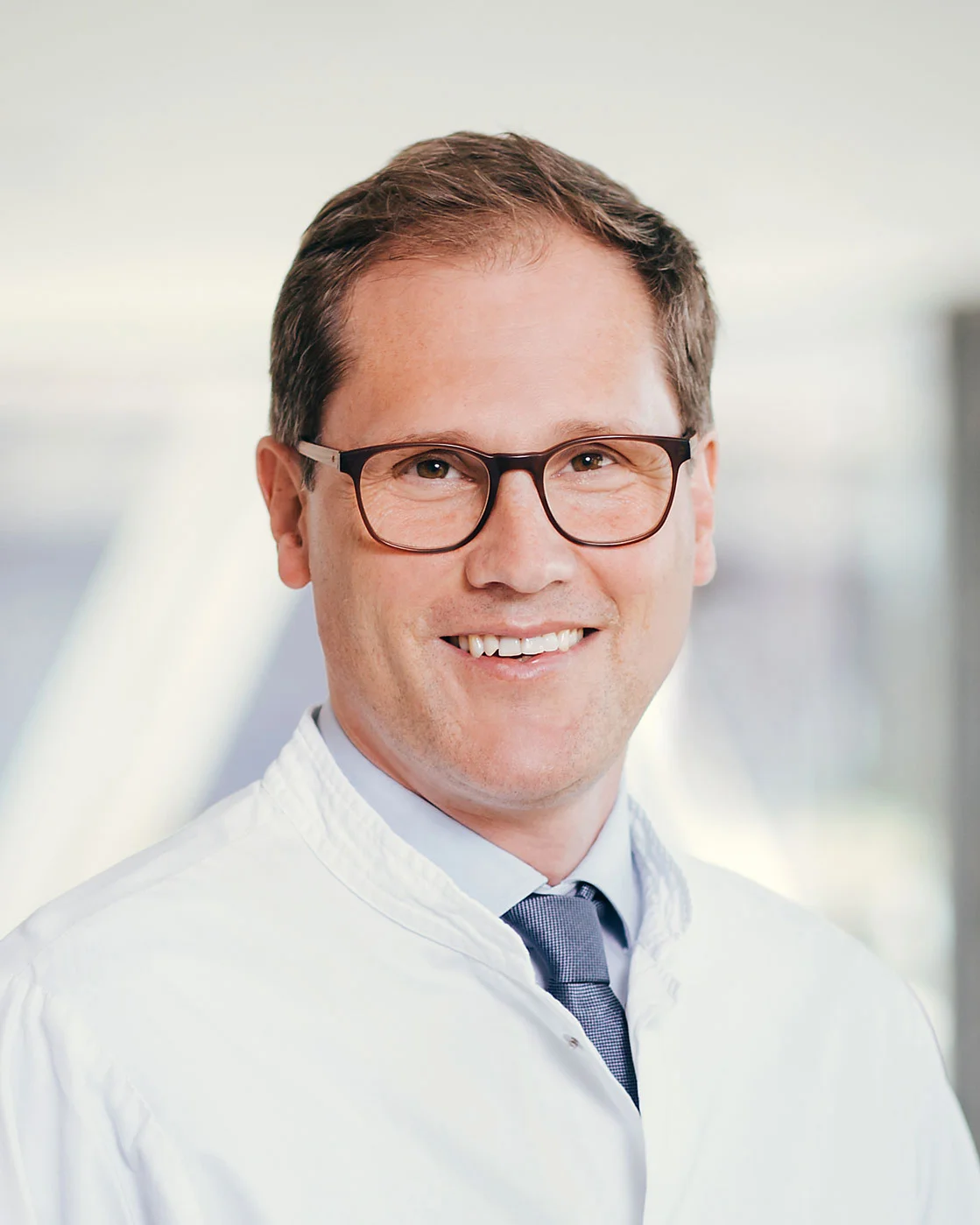
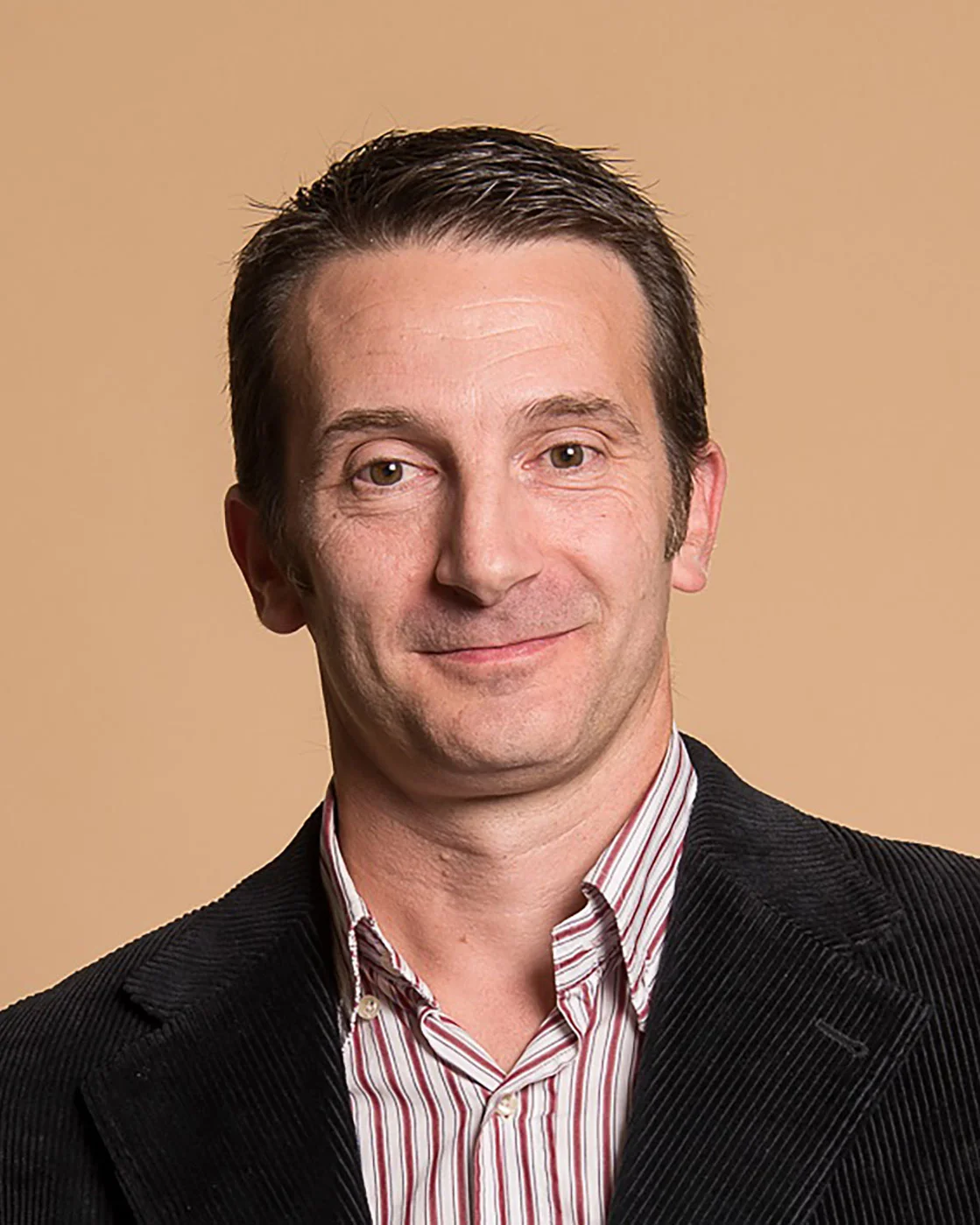
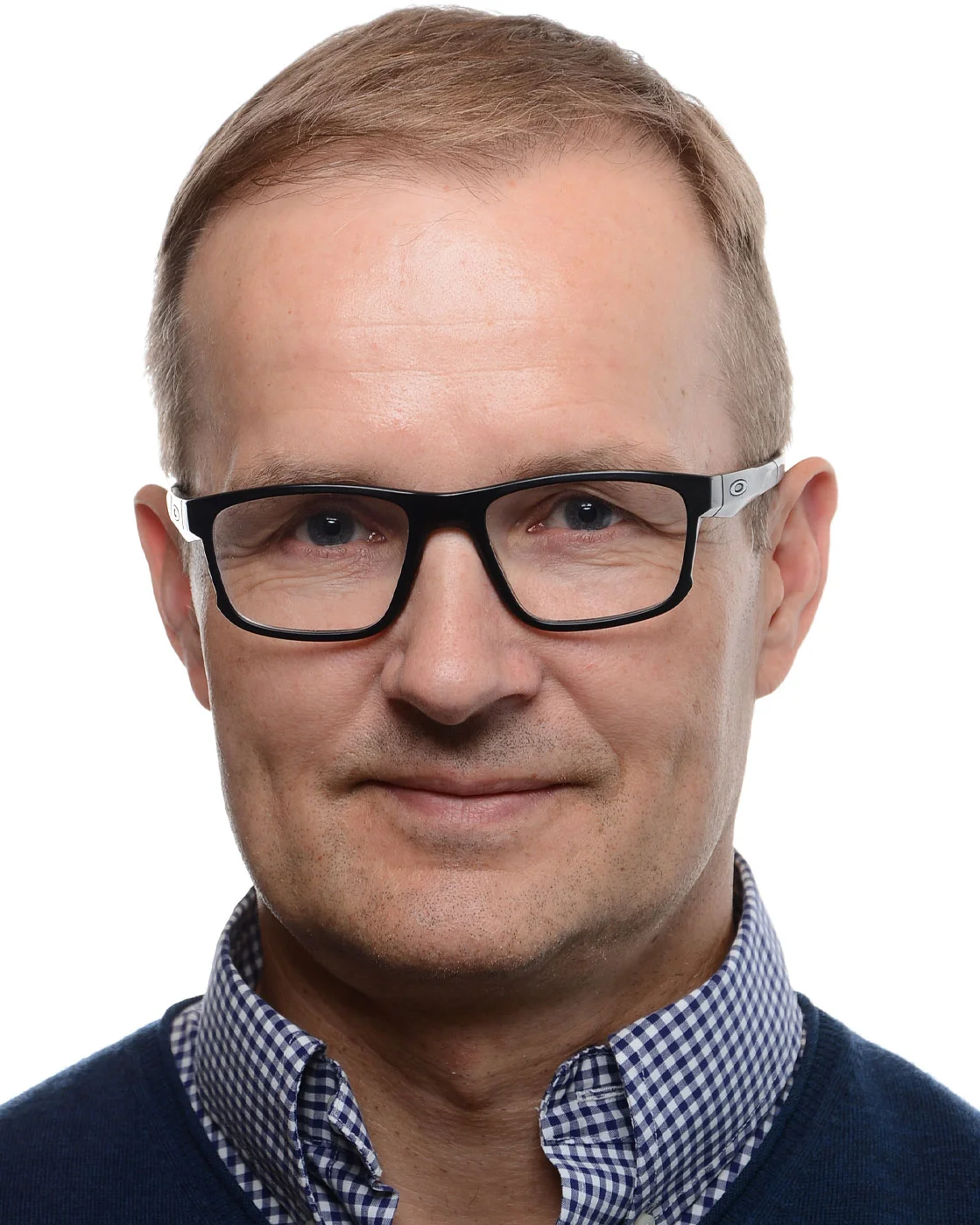
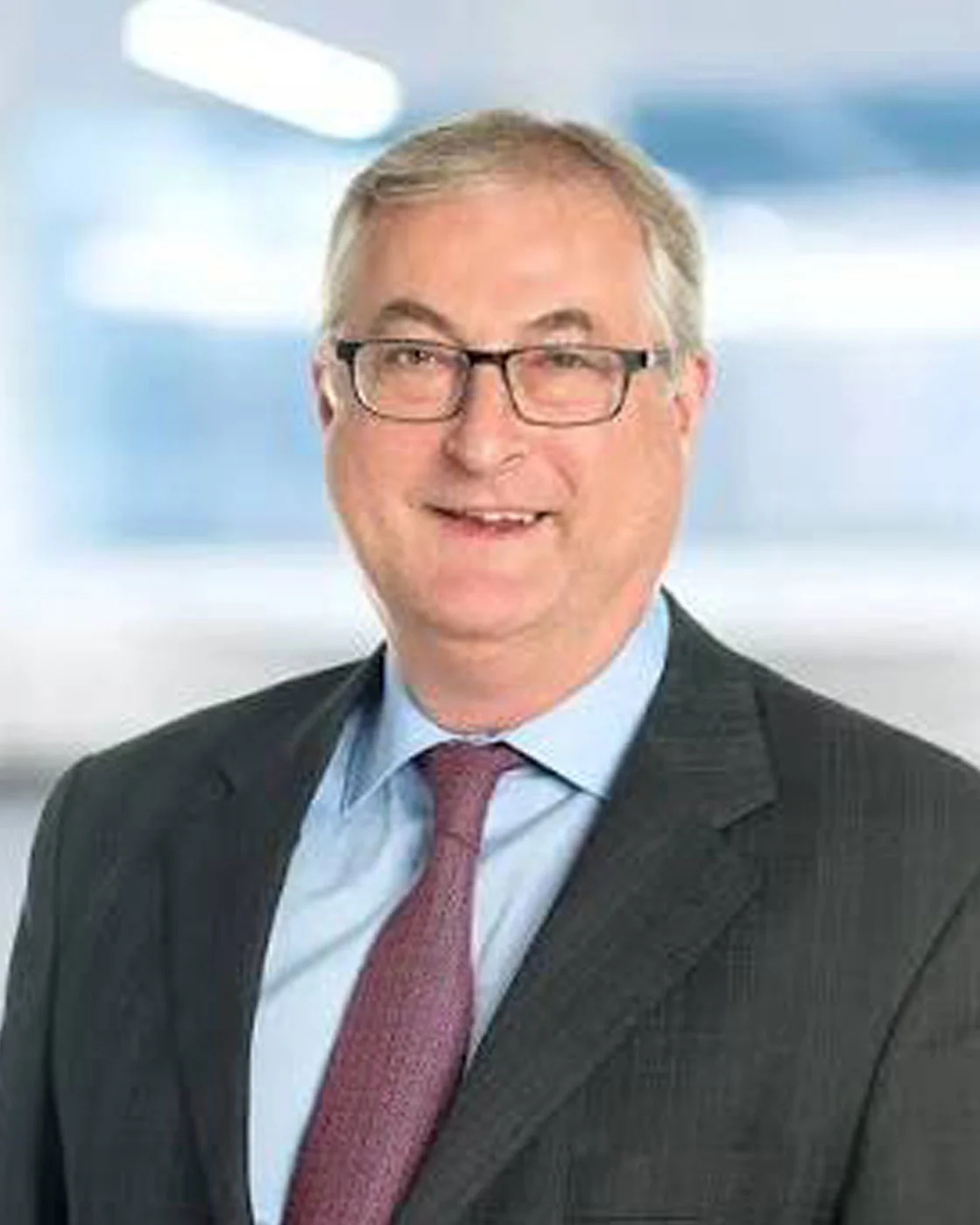
Prof. Andreas Birkenfeld (University Hospital Tübingen, Germany)
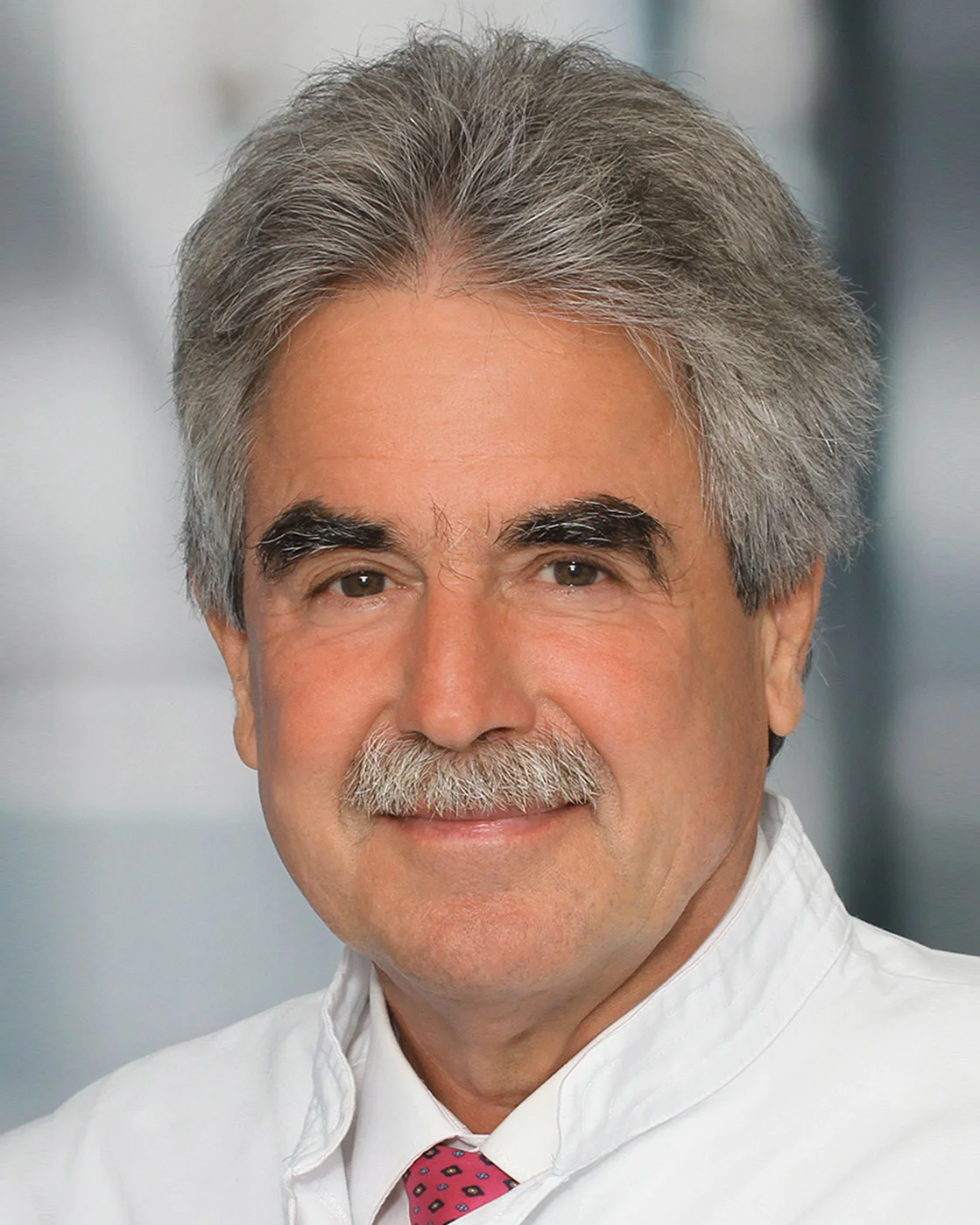
Dr. Henning Langer (Charité Berlin, Germany)
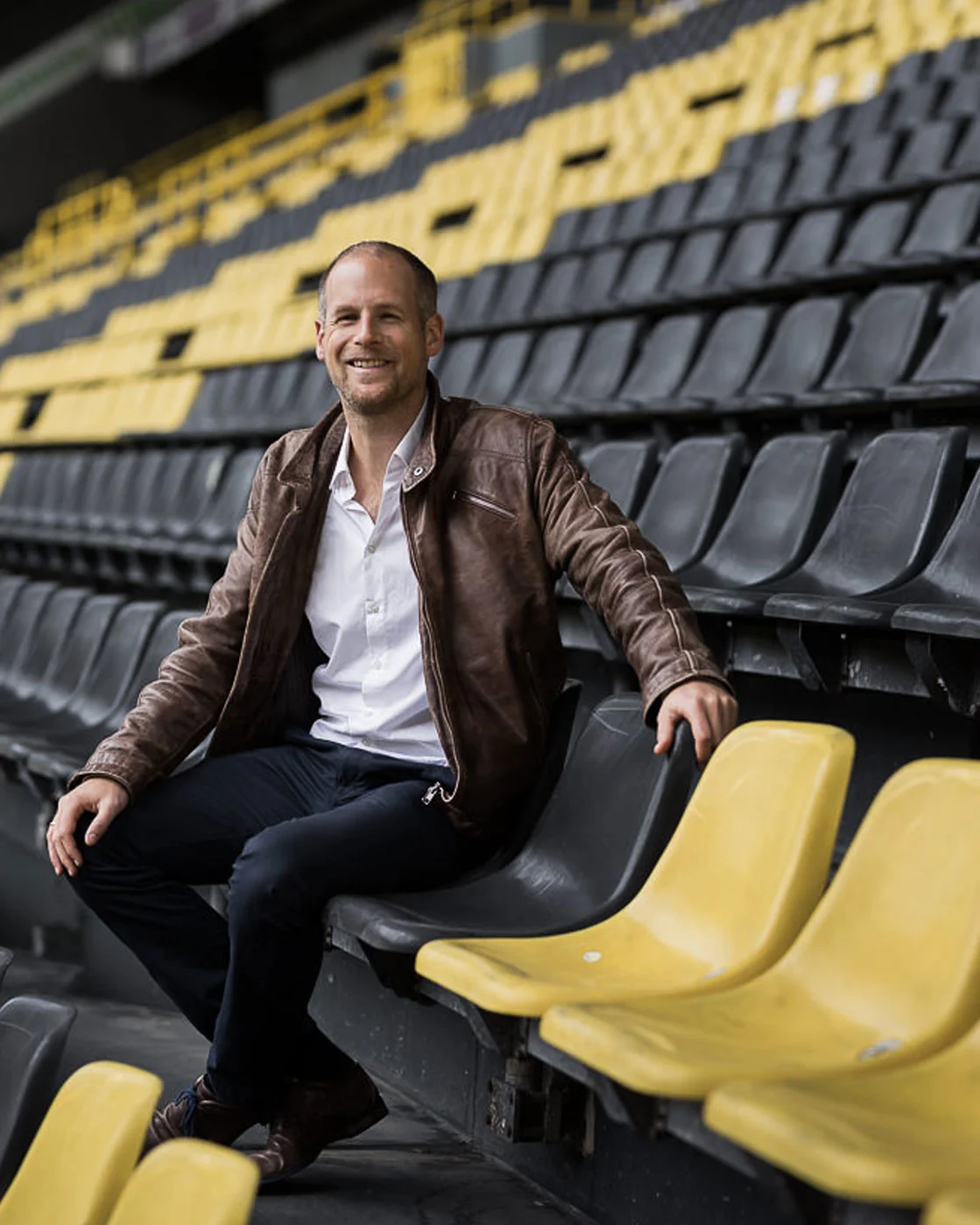
Prof. Dominik Pesta (German Aerospace Center Cologne, Germany)
How do environmental conditions affect performance and athlete health? And how should head injuries and concussions in collision sports be managed appropriately?
These two highly relevant questions in modern high-performance sport will be addressed at the German Congress of Science in Sports Medicine in Tübingen on Thursday, September 24, 2026 (1:30 pm).
We are delighted to welcome two internationally renowned experts:
Franck Brocherie, PhD (INSEP, Paris)
Senior researcher at the French Institute of Sport and leading expert in exercise physiology under hot conditions. His lecture will focus on the impact of heat on performance and health, as well as the concept of heat training – the targeted use of environmental heat to optimize endurance adaptations.
Prof. Dr. Dr. Claus Reinsberger (Paderborn / Boston)
Neurologist and sports physician with appointments at the University of Paderborn and Mass General Brigham / Harvard Medical School. As advisor to the DFB and UEFA, he is internationally recognized for his expertise in concussion and head injury management. Most recently, he co-edited the special issue “Concussion and Head Impacts in Football” in the Journal of Science and Medicine in Sport (JASMS) together with James Brown (Leeds Beckett University).
coming soon
Prof. Henning Wackerhage (Technical University of Munich, Germany)
Prof. Jürgen Bauer (Bethanien Hospital Heidelberg, Germany)
Nina Schaller (Technical University of Munich, Germany)
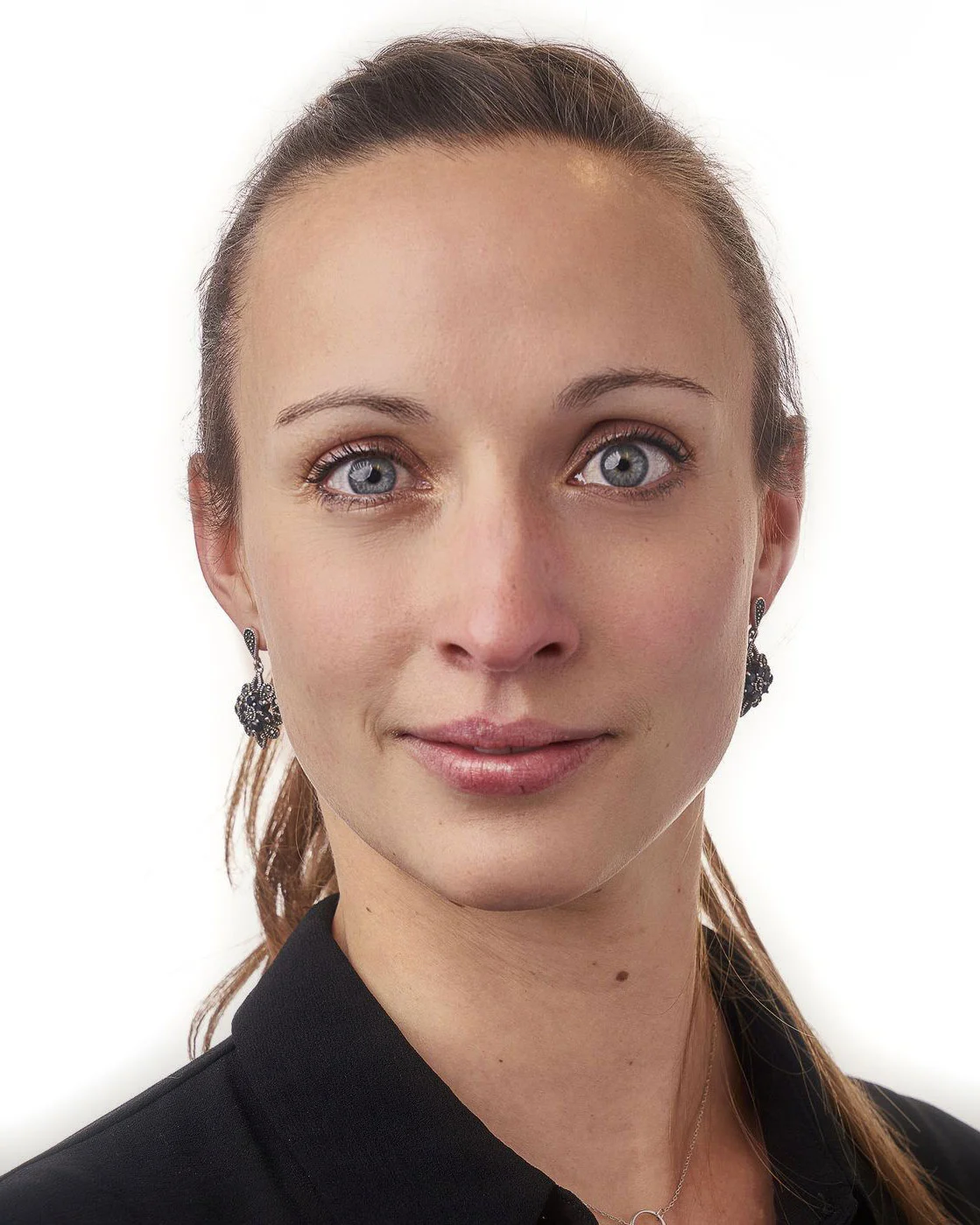
Nina Schaller is a researcher at the Department of Preventive Sports Medicine and Sports Cardiology at TUM School of Medicine and Health. With a background as a nutritionist and long-term working experience in the field of cardiovascular and lifestyle research, her goal is to translate scientific evidence into practical strategies that improve health across the lifespan.
Her current research project “bestform. Sport kennt kein Alter” focuses on multicomponent exercise interventions in senior care facilities, aiming to demonstrate that exercising regular is not only feasible in residential care settings but also represents a key component of healthy ageing, preserving physical function and supporting high-quality nursing care. With populations ageing worldwide, the bestform-project addresses a major future challenge: bringing evidence-based exercise to older adults and the settings that need it most.

The role of exercise in oncology is rapidly expanding – from clinical application to underlying biological mechanisms. This symposium brings together two leading international experts in the field.
Prof. Karen Steindorf (DKFZ Heidelberg, Germany)
Prof. Steindorf is a globally recognized expert in exercise and cancer research. At the German Cancer Research Center, she has contributed extensively through large epidemiological studies and major intervention trials. Her talk will provide a comprehensive overview of the clinical relevance of exercise in cancer care.
Dr. Helene Rundqvist (Karolinska Institutet, Sweden)
Dr. Rundqvist investigates the molecular mechanisms by which physical activity influences tumor biology. Her work provides key insights into how exercise may contribute to cancer prevention and treatment at the cellular level.
coming soon
Prof. Henner Hanssen (University of Basel, Switzerland)
Dr. Simon Wernhart (Technical University of Munich, Germany)
Femoroacetabular impingement (FAI) is a clinically relevant hip pathomechanics, which can lead to pain and premature joint degeneration. There is constantly growing evidence about the association of professional sports activities and FAI. High physical activity (especially in impact sports) is an acknowledged risk factor for the development of FAI during childhood and adolescence. Consequently, an increasing number of athletes suffer from this disorder and even may need surgical treatment. Two very experienced clinicians and scientists of highest international reputation in the field of hip disorders will be speaking about risk factors of the development as well as recommendations for prevention and treatment.
Prof. Klaus Siebenrock (Inselspital Bern, Switzerland)
Klaus Siebenrock, former Director of the Orthopaedic Department at the Inselspital Bern (Switzerland) and active senior researcher at this international center of hip preservation will present a summary of his latest work on the etiology of FAI. Several studies highlight the significance of various loading patterns on the growing hip and raise the question of prevention possibilities. It will be a unique chance for the auditorium to benefit from the experience of this internationally leading expert at the Sports Medicine Congress.
Prof. Klaus-Peter Günther (University Hospital Tübingen, Germany)
Klaus-Peter Günther, former Director of the Dresden University Center of Orthopaedics and Traumatology, affiliated to Tübingen University Hospital since 2025, has extensive experience with the treatment of FAI including techniques of cartilage regeneration. As Past President of the European Federation of Orthopaedics and Traumatology he participates in several initiatives concentrating on innovative therapeutic strategies. He will make participants familiar with current approaches including return-to-sports results after surgery.
Exercise is increasingly recognized as a therapeutic approach in neurology, with growing evidence for beneficial effects on disease progression and neuroplasticity.
Prof. Ulrik Dalgas (Aarhus University, Denmark)
Prof. Dalgas is an international leader in Exercise in Neurology. His research focuses on the effects of exercise in neurological diseases such as multiple sclerosis and Parkinson’s disease and has significantly contributed to the clinical implementation of exercise interventions.
Prof. Jorge Lira Ruas (University of Michigan, USA; previously Karolinska Institutet, Sweden)
Prof. Ruas is Professor of Molecular Physiology at the University of Michigan. He previously held a professorship at Karolinska Institutet in Sweden. His research investigates the molecular mechanisms through which physical activity drives systemic and neural adaptations, thereby influencing neurological health.
Artificial intelligence is transforming sports medicine – from data-driven prevention and diagnostics to personalized treatment approaches.
Prof. Jens Kleesiek (University Hospital Essen, Germany)
Prof. Kleesiek is Director of the Institute for Artificial Intelligence in Medicine (IKIM). His work focuses on machine learning, medical imaging, and the integration of complex clinical data to support precision medicine and clinical decision-making.
Prof. Andreas Groll (TU Dortmund University, Germany)
Prof. Groll is an expert in modern statistical methodology and big data analytics. His research focuses on predictive modelling and high-dimensional data analysis in medicine and sports science.
Prof. Solveig Vieluf (LMU University Hospital Munich, Germany)
Prof. Vieluf works at the interface of AI, digital health, and telemonitoring. Her research includes wearables, continuous data capture, and personalized healthcare models.