
Research in my laboratory is focused on tumor immunology in primary and metastatic brain cancer. We identified different disease-associated roles of brain metastasis-associated myeloid and lymphoid populations using multiomics and image-based approaches. Based on this mechanistic insight, we seek to develop novel immune-targeted therapies for preclinical testing in ex vivo and in vivo models. We put a particular emphasis on strategies that overcome inherent or adaptive resistance mechanisms by modulating immune cell activation states and targeting metabolic pathways in brain metastasis. Such approaches comprise strategies for local immune modulation within the brain metastatic microenvironment as well as systemic approaches e.g. by targeted modification of the microbiome for immune stimulation. To validate the translational significance of our experimental data, we utilize patient samples for in depth immunophenotyping and correlation with patient prognosis.
Experimental Neuroonco-Immunology
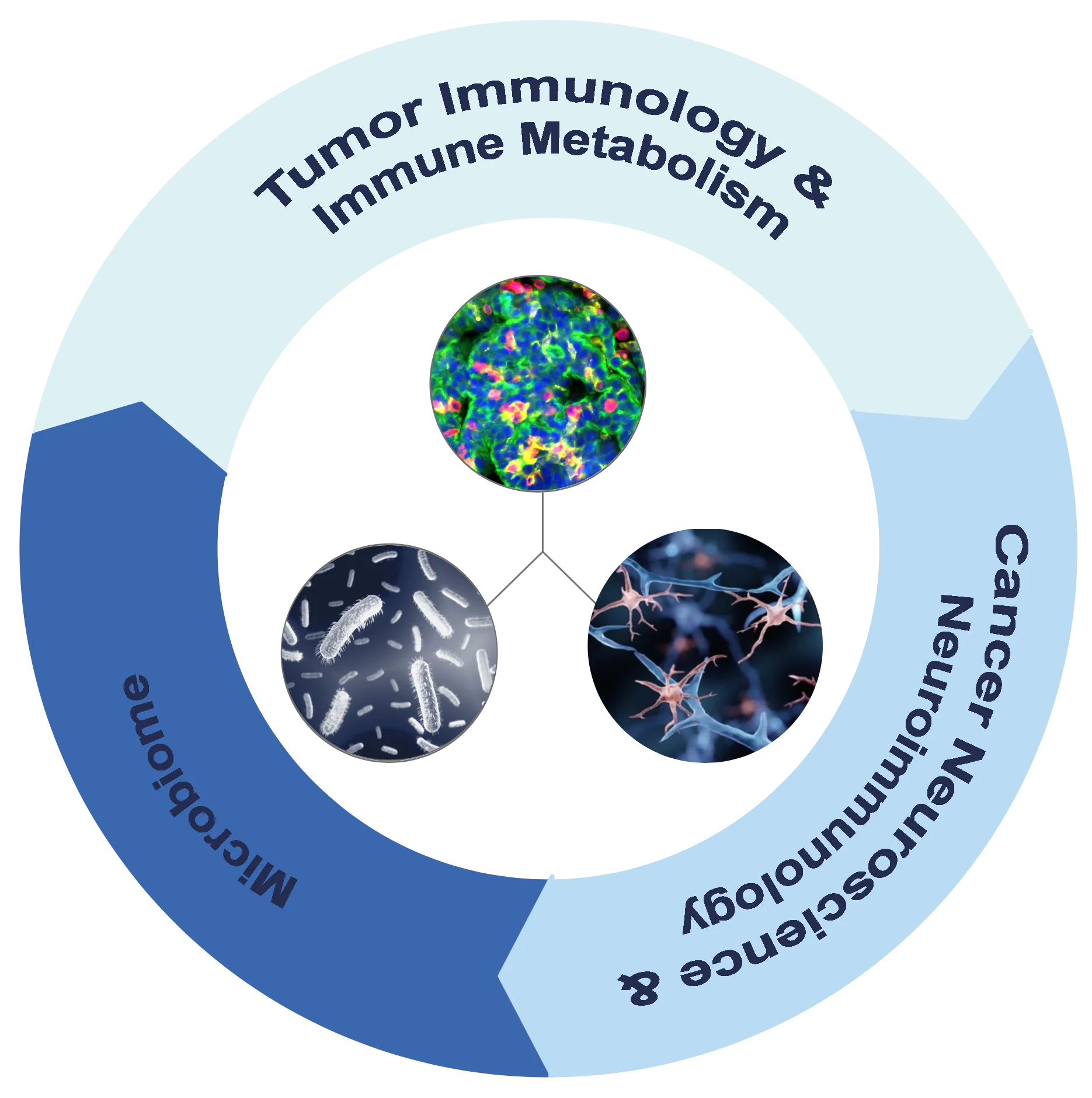
Moreover, we seek to identify tumor cell vulnerabilities for targeted therapies using advanced ex vivo brain cancer models for systematic screening of drug libraries. Additionally, we seek to gain mechanistic insight into tumor cell characteristics that allow tumor cells to adopt to the unique tissue environment in the central nervous system. A focus is put on the acquisition of neuronal-like characteristics in brain metastatic cells as a core program of metastatic niche cooption with regard to metabolic and immunological processes. Our mission is to provide scientific rationale for novel therapeutic strategies against brain metastasis.
Biosketch
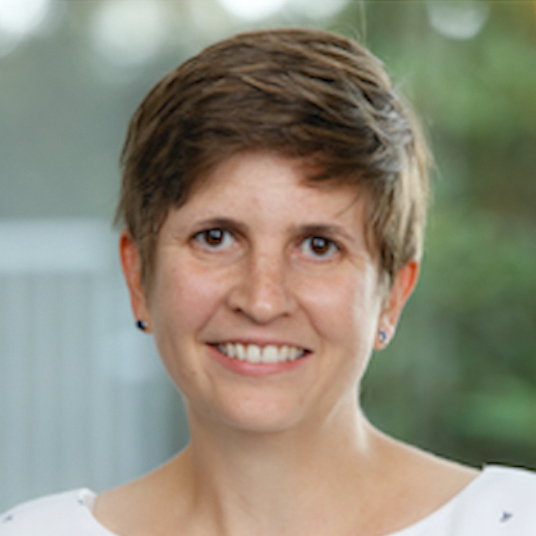
Prof. Dr. Lisa Sevenich is a biologist focusing on tumor immunology in brain cancer. She earned her PhD at the University of Freiburg in 2010. This was followed by a postdoctoral fellowship at Memorial Sloan Kettering Cancer Center, New York, NY, USA under the guidance of Prof. Johanna Joyce. In 2015, she was awarded with the Max-Eder Junior fellowship (German Cancer Aid) and started her research group at the Georg-Speyer-Haus. In 2023, she accepted a call for W2 professorship at the Medical Faculty of the University of Tübingen with affiliations at the M3 Research Center, the Department of Neurology and Interdisciplinary Neurology, Hertie Institute for Clinical Brain Research (HIH) and the Cluster of Excellence “Image-guided and functionally instructed tumor therapies (iFIT).
Interview


Decoding Immune and Metabolic Resistance in Brain Cancer for Next-Generation Therapies – Interview with Prof. Dr. Lisa Sevenich
In this video, Prof. Sevenich explains how immune and metabolic programs create therapy resistance in primary and metastatic brain cancer. She discusses how her lab identifies disease-associated myeloid and lymphoid cell populations using multi-omics and image-based technologies, and how these insights inform immune-targeted and microbiome-engineered therapeutic strategies. The video highlights translational validation through patient-sample immunophenotyping to build a robust scientific rationale for next-generation therapies against brain metastasis.
Beim Abspielen des Videos werden Daten an YouTube übertragen. Weitere Hinweise finden Sie in unserer Datenschutzerklärung.
Co-Affiliations
-
Cluster of Excellence “Image-guided and functionally instructed tumor therapies (iFIT)
-
Department of Neurology and Interdisciplinary Neurooncology, Hertie Institute for Clinical Brain Research (HIH)
tumor
immunology
immune
metabolism
microbiome
Selected publications
-
2023
Take my breath away: TAM-ing anti-cancer immunity in hypoxic niches
Möckl A, Sevenich L. Take my breath away: TAM-ing anti-cancer immunity in hypoxic niches. Immunity. 2023 Aug 8;56(8):1704-1706. https://doi.org/10.1016/j.immuni.2023.07.010 -
2021
Compensatory CSF2-driven macrophage activation promotes adaptive resistance to CSF1R inhibition in breast-to-brain metastasis
Klemm F, Möckl A, Salamero-Boix A, Alekseeva T, Schäffer A, Schulz M, Niesel K, Maas RR, Groth M, Elie BT, Bowman RL, Hegi ME, Daniel RT, Zeiner PS, Zinke J, Harter PN, Plate KH, Joyce JA, Sevenich L. Compensatory CSF2-driven macrophage activation promotes adaptive resistance to CSF1R inhibition in breast-to-brain metastasis. Nat Cancer. 2021 Oct;2(10):1086-1101. doi: 10.1038/s43018-021-00254-0. Epub 2021 Oct 18. PMID: 35121879. https://doi.org/10.1038/s43018-021-00254-0 -
2021
The immune suppressive microenvironment affects efficacy of radio-immunotherapy in brain metastasis
Niesel K, Schulz M, Anthes J, Alekseeva T, Macas J, Salamero-Boix A, Möckl A, Oberwahrenbrock T, Lolies M, Stein S, Plate KH, Reiss Y, Rödel F, Sevenich L. The immune suppressive microenvironment affects efficacy of radio-immunotherapy in brain metastasis. EMBO Mol Med. 2021 May 7;13(5):e13412. doi: 10.15252/emmm.202013412. Epub 2021 Mar 23. PMID: 33755340; PMCID: PMC8103101. https://doi.org/10.15252/emmm.202013412 -
2020
Cellular and molecular changes in the myeloid cell compartment during disease progression and therapeutic response in lung-to-brain metastasis
Schulz M, Michels B, Niesel K, Stein S, Farin H, Rödel F, Sevenich L. Cellular and Molecular Changes of Brain Metastases-Associated Myeloid Cells during Disease Progression and Therapeutic Response. iScience. 2020 Jun 26;23(6):101178. doi: 10.1016/j.isci.2020.101178. Epub 2020 May 18. PMID: 32480132; PMCID: PMC7262568. https://doi.org/10.1016/j.isci.2020.101178 -
2019
Evaluating Magnetic Resonance Spectroscopy as a Tool for Monitoring Therapeutic Response of Whole Brain Radiotherapy in a Mouse Model for Breast-to-Brain Metastasis
Chae WH, Niesel K, Schulz M, Klemm F, Joyce JA, Prümmer M, Brill B, Bergs J, Rödel F, Pilatus U, Sevenich L. Evaluating Magnetic Resonance Spectroscopy as a Tool for Monitoring Therapeutic Response of Whole Brain Radiotherapy in a Mouse Model for Breast-to-Brain Metastasis. Front Oncol. 2019 Nov 27;9:1324. https://doi.org/10.3389/fonc.2019.01324 -
2014
Analysis of tumour- and stroma-supplied proteolytic networks reveals a brain-metastasis-promoting role for cathepsin S
Sevenich L, Bowman RL, Mason SD, Quail DF, Rapaport F, Elie BT, Brogi E, Brastianos PK, Hahn WC, Holsinger LJ, Massagué J, Leslie CS, Joyce JA. Analysis of tumour- and stroma-supplied proteolytic networks reveals a brain-metastasis-promoting role for cathepsin S. Nat Cell Biol. 2014 Sep;16(9):876-88. doi: 10.1038/ncb3011. Epub 2014 Aug 3. PMID: 25086747; PMCID: PMC4249762.
https://doi.org/10.1038/ncb3011 -
2013
CSF-1R inhibition alters macrophage polarization and blocks glioma progression
Pyonteck SM, Akkari L, Schuhmacher AJ, Bowman RL, Sevenich L, Quail DF, Olson OC, Quick ML, Huse JT, Teijeiro V, Setty M, Leslie CS, Oei Y, Pedraza A, Zhang J, Brennan CW, Sutton JC, Holland EC, Daniel D, Joyce JA. CSF-1R inhibition alters macrophage polarization and blocks glioma progression. Nat Med. 2013 Oct;19(10):1264-72. doi: 10.1038/nm.3337. Epub 2013 Sep 22. PMID: 24056773; PMCID: PMC3840724. https://doi.org/10.1038/nm.3337