Prof. Dr. Christoph Stein-Thoeringer
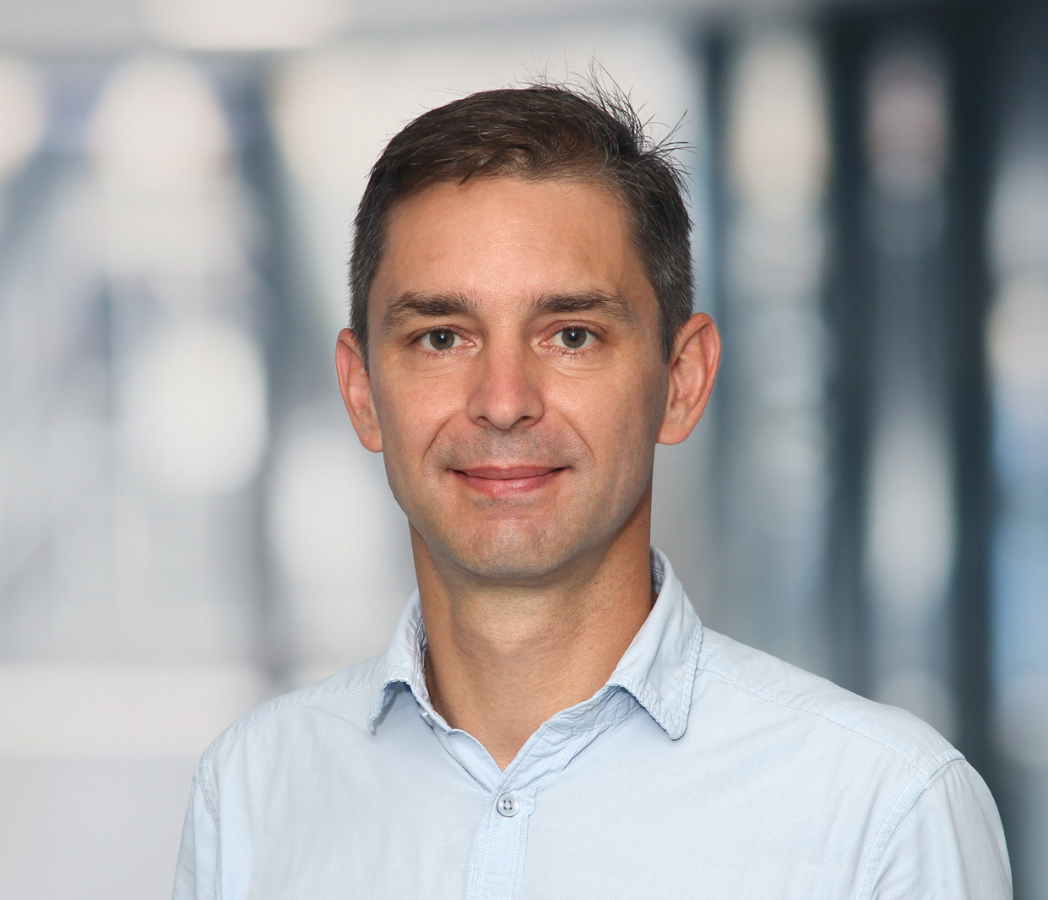
Christoph Stein-Thoeringer (born 1978) studied medicine at the Medical University of Graz and University of Zurich and received his PhD in 2005. After his studies, Mr. Stein-Thoeringer first worked as a researcher and physician at the Max Planck Institute of Psychiatry, focusing on neuropsychiatry (2006 to 2010). From 2011 to 2016, he completed his internal medicine training at Klinikum rechts der Isar, Technical University Munich, (Prof. Dr. R. Schmid) and University Hospital Regensburg (Prof. Dr. J. Schölmerich) while leading a junior research group on functional intestinal diseases and microbiome at Klinikum rechts der Isar. From 2016 to 2018, he conducted postdoctoral research on microbiome-host interactions in stem cell transplantation and T cell immunology at the Memorial Sloan Kettering Cancer Center, New York, Immunology Program, with Prof. van den Brink and Prof. Pamer. He then moved to DKFZ Heidelberg to head the newly established Department of Microbiome and Cancer together with Prof. Dr. Elinav. As a physician scientist he also worked clinically at the NCT Heidelberg, Medical Clinic for Oncology (Prof. Dr. D. Jäger).
Christoph Stein-Thoeringer's research focuses on the role of the intestinal microbiome in immunotherapies against cancer such as CAR-T cell therapy and in particular how individual bacteria and their metabolites can influence immune cells and what therapeutic possibilities arise from this. Furthermore, he focuses on the intestinal and intratumoral microbiome in pancreatic and colon carcinomas and their metastatic processes. Nutrition - microbiome interactions in these medical fields are of particular interest. Infectiologically, the focus is on research into the causes and clinical consequences of antibiotic resistance and antibiotic-associated dysbiosis.
The professorship now takes up the important aspect of translating infectiological and microbiome research into the clinic in the interdisciplinary context of inflammation, infection and cancer medicine. In this context, the professorship is integrated into the Cluster of Excellence "Controlling Microbes to Fight Infections" and the new M3 Research Institute, which combines tumor research (malignancy) with metabolism and microbiome research.