Prof. Dr. Esther Kühn
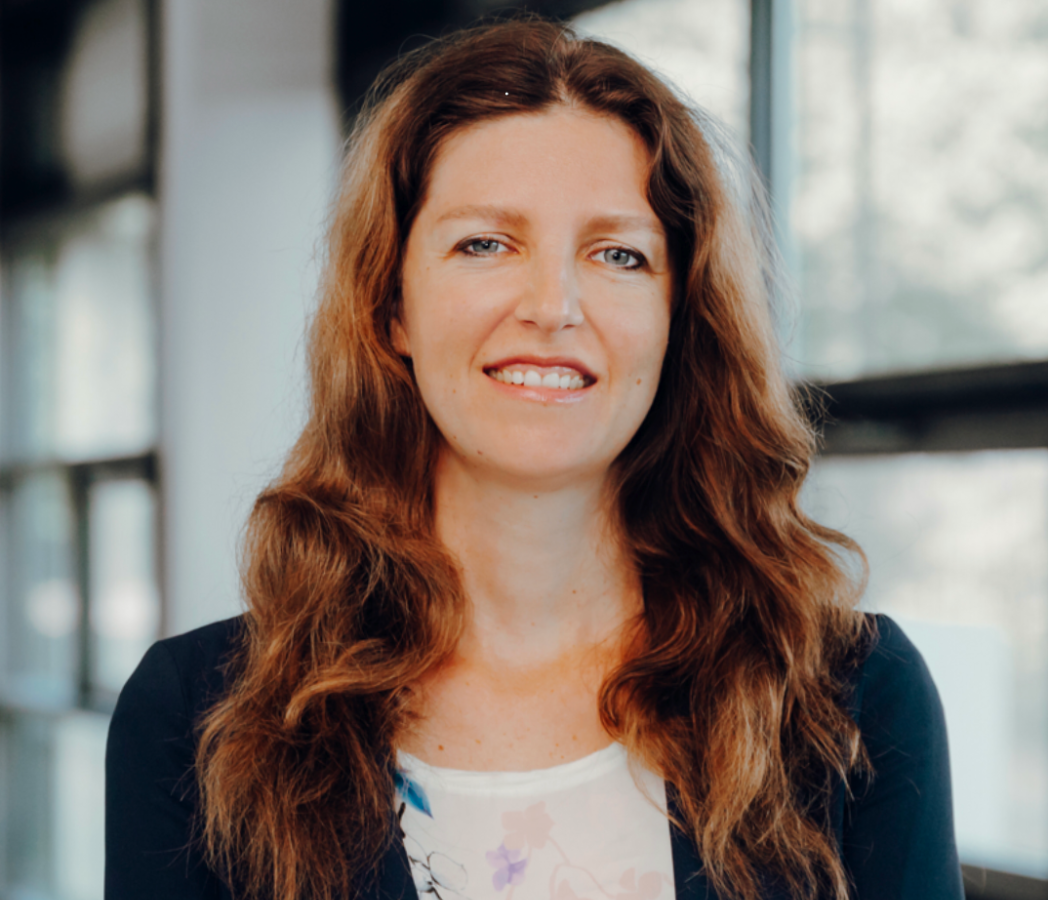
In the "Three questions to" section we ask our new scientists three questions on their research, what they like the most about their new task in Tübingen and how they spend their free time.
1. You are at your class reunion. How do you explain your former classmates what you do for a living?
I study the human brain - a fascinating organ. I use magnetic resonance imaging, which many people know from medical examinations, for example after bone fractures. I use new tomographs that have a higher magnetic field and thus allow a much more precise resolution - not only of bones, but also of processes within the brain. Together with experts from the fields of computer science, biology, medicine and psychology, I analyze these data and try to understand what makes the human brain dysfunctional - for example, in old age or also in mental illness.
2. What attracts you to the task in Tübingen?
Tübingen is a nationally and internationally leading location for neurosciences. This attracts the best experts, for example in the fields of neurodegeneration, mental health and illness or even artificial intelligence. Working together with top international researchers from various disciplines is very appealing to me and will allow me to quickly and efficiently check the robustness and applicability of new findings from my group about the functioning of the human brain. This will make it possible to use the results quickly in practice and thus advance medical progress in a targeted manner.
3. And what do you like to do most in your free time?
I really enjoy sport in nature, for example swimming in the lake, jogging through the forest or hiking through the mountains. I also enjoy long evenings with friends, city tours with my boyfriend or a trip to the sea. Now that I'm moving to Tübingen from Berlin, I'm looking forward to exploring Baden-Württemberg - each area has its own unique fascination to be discovered.